No products in the cart.

10 Tips for Passing Your Food Handler’s Certificate Exam
Exams are stressful, and the pressure of passing may leave you feeling overwhelmed and nervous that you won’t pass, even


Perhaps you’ve witnessed the commotion surrounding the whole leftover rice being dangerous to consume on social media platforms and wonder if it’s so. Is using leftover rice to make a succulent Chinese meal consisting of fried rice really as dangerous as they say? Well, there’s a bit of truth there, but it’s not as scary as it sounds.
The culprit? A sneaky bacterium called Bacillus cereus. And remember, fried rice is a leading cause of B. cereus emetic-type food poisoning according to health agencies. This microorganism can be found in uncooked rice and, if given the chance, can multiply to millions at room temperature in a short span of time, producing toxins that lead to food poisoning. But don’t worry; with the knowledge that you’ll acquire from this article, you’ll be able to enjoy your leftover fried rice without fear.
Cooking is your first defense against Bacillus cereus. When you cook rice properly, reaching a temperature of at least 60°C (that’s around 140°F for imperial folks), you kill most bacteria. But here’s the kicker: even though you can eliminate the bacteria, their spores are a bit tougher. These little guys can survive the cooking process, which is why cooling and storing rice properly is essential. Food safety certificate which can be acquired online by the completion of food safety course online, goes through the details in great extent.
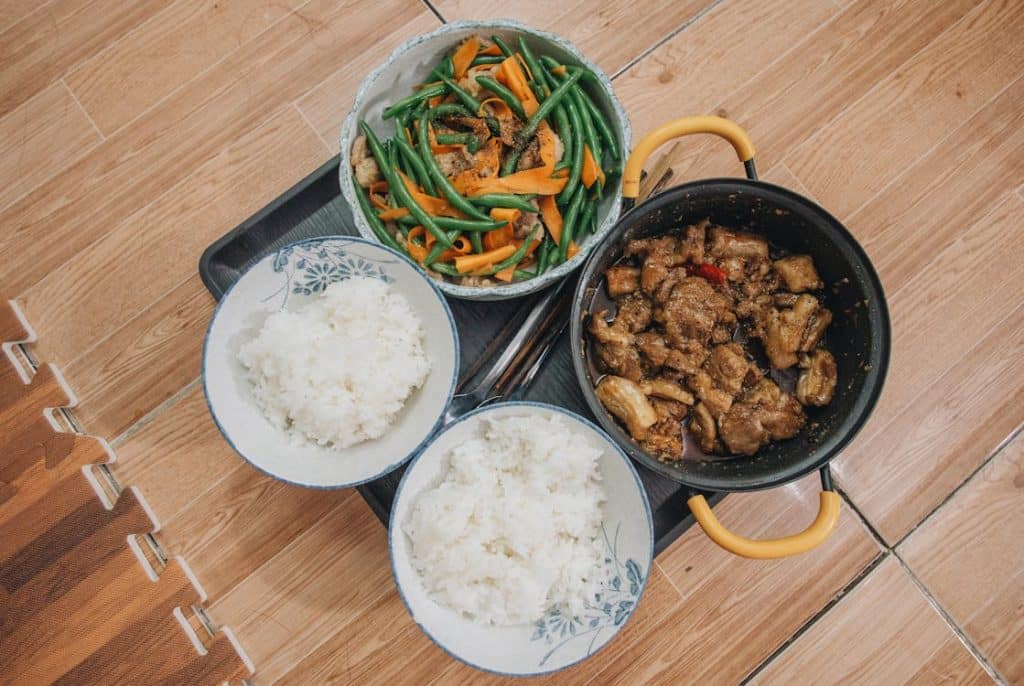
You’ll want to be careful with how long rice sits at room temperature. Once it drops below 140°F and enters the “danger zone” (between 40°F and 140°F), bacteria start growing fast. The rule of thumb? Don’t leave rice out for more than two hours. And if it’s a hot summer day (90°F or higher), one hour is your cutoff—otherwise, it’s better to toss it than risk an upset stomach.
Here’s a pro tip: never stick hot rice directly into the fridge. That can raise the fridge’s internal temperature, putting other food at risk. Instead, cool rice quickly by spreading it out in shallow containers. Let it sit at room temperature for no more than 20 minutes, then pop it in the fridge. You can store cooked rice in the fridge for up to four days or freeze it for one to two months. Just remember to label your containers with the date because who wants to play the guessing game with leftovers?
Good news: reheating rice can be safe as long as you follow the rules! Whether it’s in the microwave, on the stovetop, or in a steamer, make sure the rice hits 165°F before serving. If you’re using a microwave, add a splash of water to prevent it from drying out—no one likes crunchy rice! And if the rice was frozen, thaw it properly in the fridge overnight or use the microwave for quicker results. Food safety training from a reputed institute will provide you with all the essential information you need to know pertaining to this.
Yes, you can! Just make sure you store it properly between uses. Reheat only the portion you plan to eat, and if there are leftovers from your reheated batch, store them again within two hours. But let’s be honest: reheating rice more than twice might compromise its taste and texture. So, unless you love rice that much, try to only cook what you’ll use.
Following these simple tips will keep your rice safe and tasty. Whether it’s fluffy jasmine rice with dinner or leftover stir-fry for lunch, a little extra care goes a long way. Cook it hot, cool it fast, and reheat it thoroughly and that’s your recipe for success! And hey, when in doubt, trust your senses: if the rice smells funky, it’s time to say goodbye.
Food safety rules evolve. This guide reflects the requirements as of June 2026, and our team reviews the content when provincial and municipal health authorities update their rules. Spot a change before we did? Email us at info@probeit.ca and our team will review it.
This guide simplifies complex rules for educational purposes. It does not replace provincial food premises regulations or local health unit requirements, and readers remain responsible for their own compliance. Always verify final requirements against the current official text for your province and municipality.
Exams are stressful, and the pressure of passing may leave you feeling overwhelmed and nervous that you won’t pass, even

Food safety is essential if you want to ensure safety and establish trust with your customers. Food handlers must be

Practicing good food safety habits is paramount to maintaining a healthy kitchen. Regardless of the size of your hotel business