No products in the cart.

10 Tips for Passing Your Food Handler’s Certificate Exam
Exams are stressful, and the pressure of passing may leave you feeling overwhelmed and nervous that you won’t pass, even


Front of house safety might sound basic, just a matter of keeping entryways tidy or making sure staff wear the right gear. But wait. Workplace accidents can lead to staggering economic losses, from medical bills to legal headaches and even business closures. Most people focus on the chaos in kitchens or back offices. The hidden truth is that the real risks often lurk where the public feels safest—right at the front.
| Takeaway | Explanation |
| Implement comprehensive safety protocols. | Develop protocols that cover risk assessment, hygiene, and emergency procedures to enhance safety for all. |
| Train staff continually on safety practices. | Regular training ensures employees are aware of safety standards and can respond effectively to risks. |
| Conduct regular risk assessments. | Periodic evaluations of the environment help identify potential hazards and enable proactive management. |
| Prioritize personal protective equipment (PPE). | Equip staff with proper PPE to protect against potential risks in public areas, ensuring a safer environment. |
| Maintain clear communication channels. | Establish transparent communication for reporting safety concerns to foster a culture of safety within the organization. |
Front-of-house safety represents a critical operational framework within hospitality and care environments, focusing on protecting staff, guests, and visitors from potential risks and hazards in public-facing areas. Unlike back-of-house operations that primarily address kitchen and administrative spaces, front-of-house safety encompasses a comprehensive approach to managing human interactions, environmental conditions, and potential workplace challenges.
Front-of-house safety involves multiple interconnected elements that work together to create a secure and welcoming environment. These components include physical safety measures, personnel training, emergency preparedness, and proactive risk management strategies. Learn more about critical safety control points to understand how systematic approaches can prevent potential incidents.
Key aspects of front-of-house safety typically include:
Personal protective equipment (PPE) for staff
Clear emergency evacuation procedures
Proper sanitation and hygiene protocols
Adequate staff training on safety standards
Regular risk assessment and mitigation strategies
The scope of front-of-house safety extends across various sectors, including restaurants, hotels, healthcare facilities, educational institutions, and social service centers. Each environment presents unique challenges that require tailored safety approaches. For instance, a restaurant must manage potential slip hazards and customer interactions, while a healthcare facility needs additional protocols for patient handling and infection control.
According to the Canadian Centre for Occupational Health and Safety, comprehensive safety programs are essential for reducing workplace injuries and creating a culture of prevention. By implementing robust front-of-house safety measures, organizations can protect their most valuable assets: their people and their reputation.
Below is a table summarizing the fundamental components of front-of-house safety, along with their descriptions, to clarify their specific purposes within a safe hospitality or care environment.
| Component | Description |
| Personal Protective Equipment (PPE) | Equipment is provided to staff for protecting against physical and health risks. |
| Emergency Evacuation Procedures | Clear instructions for safely exiting the premises in the event of an emergency. |
| Sanitation and Hygiene Protocols | Procedures to ensure cleanliness and prevent the spread of infections. |
| Staff Training on Safety | Regular education ensures staff understand and apply safety standards. |
| Risk Assessment and Mitigation | Ongoing evaluation and management of potential hazards in public areas. |
Front-of-house safety is not simply a regulatory requirement, but a fundamental ethical and operational responsibility that directly impacts human well-being, organizational reputation, and long-term sustainability. Public spaces represent complex environments where multiple stakeholders interact, creating dynamic scenarios that demand proactive safety management and strategic risk mitigation.
The consequences of inadequate front-of-house safety extend far beyond immediate physical risks. Organizations that neglect safety protocols face substantial financial and reputational challenges. Workplace accidents and injuries can result in significant economic losses, including medical expenses, potential legal liabilities, increased insurance premiums, and reduced workforce productivity. Learn more about workplace safety compliance to understand comprehensive risk management strategies.
Key economic implications of poor safety practices include:
Potential legal claims and compensation costs
Increased worker compensation insurance premiums
Reduced employee morale and higher turnover rates
Potential business closure or operational restrictions
Negative public perception and brand reputation damage
This table presents key economic and human consequences organizations may face when front-of-house safety protocols are neglected, helping readers quickly scan potential risks to operations and reputation.
| Consequence | Description |
| Legal Claims and Compensation | Potential lawsuits and payouts arising from workplace accidents or injuries. |
| Increased Insurance Premiums | Higher costs for worker compensation and liability coverage. |
| Reduced Employee Morale and Higher Turnover | Staff dissatisfaction leads to increased quitting and recruitment costs. |
| Business Closure or Operational Restrictions | Authorities impose forced shutdowns or limits due to poor safety conditions. |
| Harmful Public Perception and Reputation Damage | Harm to organizational image following safety incidents, impacting customer trust. |
Adequate front-of-house safety transcends mere compliance. It represents a holistic approach to creating secure, welcoming environments that protect all individuals. According to the Government of Canada’s safety guidelines, comprehensive safety strategies must consider diverse human needs, including accessibility, emergency preparedness, and inclusive design.
By prioritizing front-of-house safety, organizations demonstrate a commitment to upholding human dignity, achieving operational excellence, and fostering social responsibility. This approach not only mitigates risks but also fosters trust, enhances the customer experience, and cultivates resilient workplace cultures that prioritize human life and well-being.
Front-of-house safety is achieved through a systematic approach that integrates proactive risk management, comprehensive training, and dynamic environmental monitoring. These principles function as an interconnected framework designed to anticipate, prevent, and respond to potential safety challenges in public service environments.
Proactive safety management begins with thorough risk identification and continuous evaluation of potential hazards. This process involves systematic scanning of physical spaces, analyzing interaction patterns, and developing targeted mitigation strategies. Organizations must create comprehensive risk assessment protocols that examine environmental conditions, human behaviour patterns, and potential situational vulnerabilities. Learn more about hygiene and safety commitment strategies to understand comprehensive preventative approaches.
Key elements of practical risk assessment include:
Detailed spatial mapping of potential hazard zones
Regular equipment and infrastructure safety inspections
Continuous staff training on emerging safety protocols
Documentation and tracking of near-miss incidents
Implementing adaptive risk management techniques
Successful front-of-house safety relies on transforming theoretical principles into practical, executable actions. This requires creating a robust organizational culture where safety is not merely a compliance requirement but an integral part of daily operations. According to the Canada Occupational Health and Safety Regulations, organizations must develop comprehensive emergency preparedness plans and ensure all staff understand their roles in maintaining a safe environment.
By integrating systematic approaches, continuous education, and a proactive mindset, front-of-house safety becomes a dynamic, responsive mechanism that protects both staff and visitors while maintaining operational efficiency and organizational reputation.
Risk management in front-of-house safety represents a strategic approach to identifying, assessing, and mitigating potential hazards that could compromise the well-being of staff, guests, and organizational operations. It is a dynamic process that requires continuous monitoring, adaptation, and proactive intervention to create safe and resilient public spaces.
Effective risk management begins with systematic hazard identification, which involves meticulously scanning the physical environment, analyzing interaction patterns, and understanding potential vulnerabilities. This process goes beyond simple checklist compliance, requiring organizations to develop a nuanced understanding of complex risk landscapes. Learn more about critical safety protocols to explore advanced risk management techniques.
Key components of comprehensive hazard identification include:
Physical infrastructure assessment
Human behaviour pattern analysis
Environmental condition evaluation
Equipment and system functionality review
Interaction dynamics between staff and guests
Once potential risks are identified, organizations must develop targeted strategies to minimize or eliminate these hazards. According to the Canadian Centre for Occupational Health and Safety, this involves implementing a hierarchical approach to risk control that prioritizes the elimination, substitution, use of engineering controls, administrative controls, and the use of personal protective equipment.
Risk management is not a static process but a continuous cycle of assessment, implementation, monitoring, and refinement.
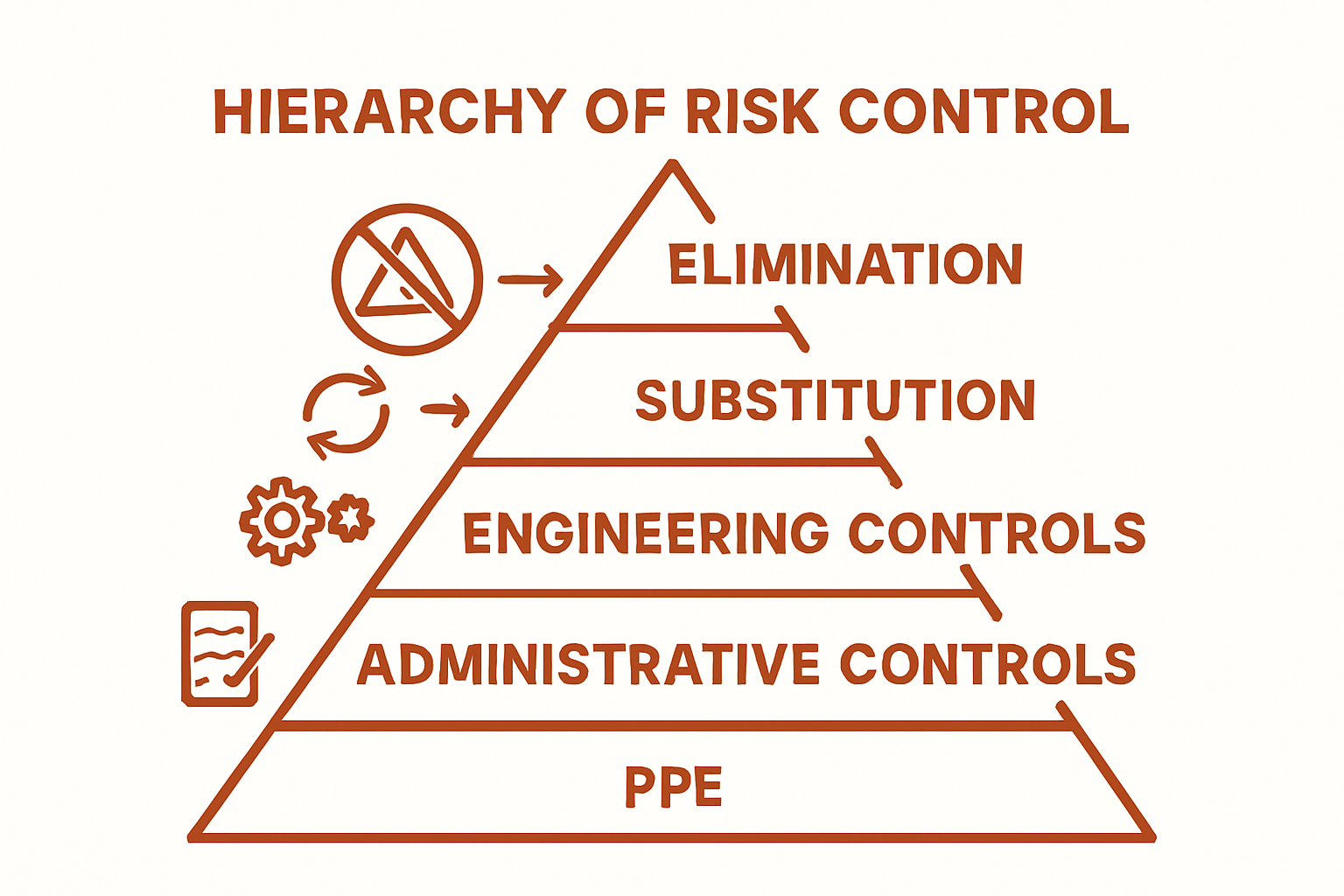 By maintaining a proactive and adaptive approach, front-of-house environments can create robust safety frameworks that protect human lives, preserve organizational reputation, and maintain operational excellence.
Maintaining front-of-house safety requires a holistic, multifaceted approach that integrates systematic protocols, continuous training, and proactive risk management strategies. Organizations must develop comprehensive frameworks that address human, environmental, and operational safety dimensions to create secure and resilient public spaces.
Comprehensive safety maintenance demands more than passive compliance with regulations. It requires organizations to develop dynamic, adaptable systems that anticipate and respond to emerging risks. Learn more about adapting safety protocols to understand the evolving landscape of workplace safety standards.
Key elements of effective safety protocol implementation include:
Regular staff training and skill development
Continuous risk assessment and scenario planning
Clear communication channels for safety concerns
Proactive maintenance of physical infrastructure
Transparent documentation and incident reporting
Personal hygiene and protection represent critical components of front-of-house safety. According to the Public Health Agency of Canada, adherence to rigorous hygiene practices is fundamental in preventing the spread of infectious diseases and maintaining a safe environment.
By integrating systematic training, robust infrastructure, and a culture of continuous improvement, organizations can create front-of-house environments that prioritize human safety, operational efficiency, and stakeholder confidence.
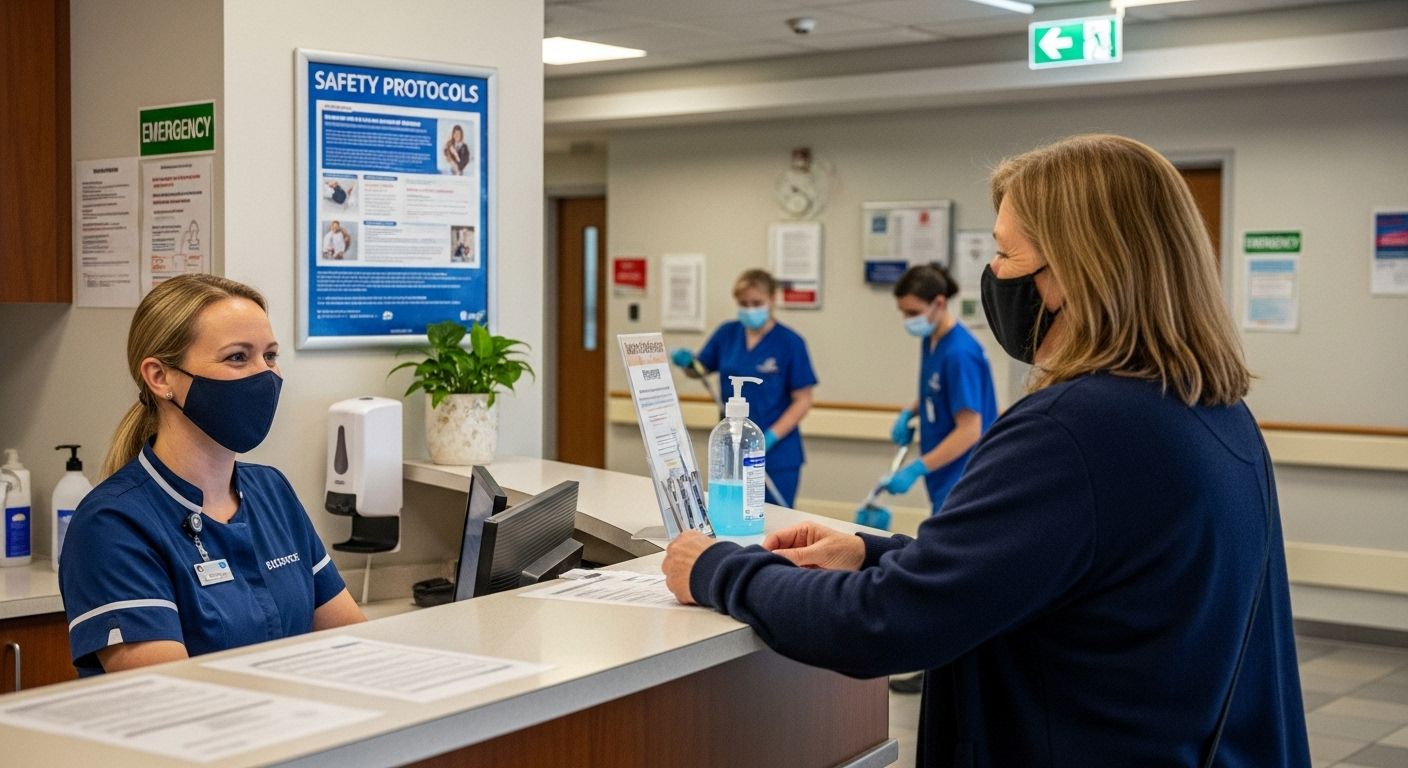
Are unsafe practices, lack of staff training, or confusing workplace protocols raising your risk of accidents and non-compliance? The article highlights serious concerns, including inconsistent hygiene, inadequate risk management, and the pressure to balance the safety of both staff and customers. A strong front-of-house safety starts with confidence in your knowledge and practices.

Take the next step right now to protect your staff and your reputation. With Probe It Food Safety.ca, you get instant access to online, government-accredited courses like Food Handler Certification and WHMIS. Our classes are self-paced and designed to address real-life situations encountered in public spaces. Start today for peace of mind, easy certification, and a safer environment. Visit our landing page to see how easily you can meet your safety and compliance goals.
Front-of-house safety refers to the operational framework that ensures the protection of staff, guests, and visitors from potential risks and hazards in public-facing areas of hospitality and care settings.
Front-of-house safety is crucial because it not only protects individuals but also significantly impacts an organization’s reputation, financial stability, and sustainability by reducing workplace accidents and liabilities.
Key components of adequate front-of-house safety include personal protective equipment (PPE), clear emergency evacuation procedures, proper sanitation and hygiene protocols, regular risk assessments, and comprehensive staff training on safety standards.
Organizations can enhance their front-of-house safety practices by implementing continuous risk assessments, improving staff training, maintaining robust hygiene protocols, and ensuring effective communication channels for addressing safety concerns.
Exams are stressful, and the pressure of passing may leave you feeling overwhelmed and nervous that you won’t pass, even

Food safety is essential if you want to ensure safety and establish trust with your customers. Food handlers must be

Practicing good food safety habits is paramount to maintaining a healthy kitchen. Regardless of the size of your hotel business