No products in the cart.

10 Tips for Passing Your Food Handler’s Certificate Exam
Exams are stressful, and the pressure of passing may leave you feeling overwhelmed and nervous that you won’t pass, even


Food security is often linked with endless farmland and stocked grocery shelves. Yet even in a country as agriculturally rich as Canada, about 15 percent of households face moderate to severe food insecurity every year. This issue is not just about empty stomachs. It is a story of hidden struggles happening in cities, on reserves, and across rural areas where many still worry about affording safe and healthy food.
| Takeaway | Explanation |
|---|---|
| Food security requires availability, access, utilization, and stability. | A holistic approach considers food supply, economic access, proper usage, and consistency of food supply. |
| Indigenous and low-income populations face higher food insecurity. | Disproportionate challenges arise due to economic barriers and geographic limitations affecting these communities significantly. |
| Food insecurity negatively impacts health and economy. | It contributes to chronic health issues and burdens the healthcare system, costing the Canadian economy billions annually. |
| Policies must address economic barriers to improve food security. | Successful strategies involve government intervention to support those in vulnerable positions and promote equitable access. |
| Restaurants and schools can enhance food security through responsible practices. | By focusing on nutritional diversity and local sourcing, these institutions can play a key role in community food security. |
Food security represents a fundamental human right and critical societal challenge that extends far beyond simple access to calories. At its core, food security describes a state where all individuals, at all times, have physical, social, and economic access to sufficient, safe, and nutritious food that meets their dietary needs and food preferences for an active and healthy life.
Understanding food security requires examining several interconnected dimensions that determine a population’s ability to consistently obtain and consume adequate nutrition. These key components include:
Below is a table summarizing the four core components of food security and what each entails, helping clarify how they interact to achieve holistic food access for all.
| Component | Description |
|---|---|
| Availability | Consistent supply of food through domestic production, imports, or food assistance programs |
| Access | Economic and physical ability for individuals to obtain nutritious food |
| Utilization | Proper use of food involving adequate diet, clean water, sanitation, and nutrition knowledge |
| Stability | Consistent, reliable food access without sudden disruptions from economic, environmental, or social factors |
Canadian food security is complex, influenced by geographic diversity, economic inequalities, and systemic challenges. While Canada is a major agricultural producer, significant populations face food insecurity. Research from Statistics Canada indicates approximately 15% of Canadian households experience moderate to severe food insecurity, with Indigenous communities and low-income urban populations disproportionately affected.
Food security goes beyond mere hunger prevention. It encompasses nutrition quality, cultural food preferences, and sustainable food systems. Vulnerable populations like Indigenous communities, rural residents, and low-income families often struggle with higher food prices, limited access to fresh produce, and systemic economic barriers. Canadian public health experts emphasize that addressing food security requires comprehensive strategies involving government policies, community initiatives, and individual empowerment.
If you want to learn more about maintaining food safety standards, read our guide on certified food handler training.
Food security transcends individual nutrition, representing a critical determinant of societal well-being and economic stability. The consequences of food insecurity extend far beyond immediate hunger, creating profound ripple effects across public health, economic productivity, and social equity.
Food insecurity directly impacts individual and population health through multiple interconnected mechanisms. Nutritional deficiencies can lead to chronic health conditions, weakened immune systems, and increased susceptibility to diseases. Research from the University of Toronto indicates that food-insecure individuals experience significantly higher rates of:
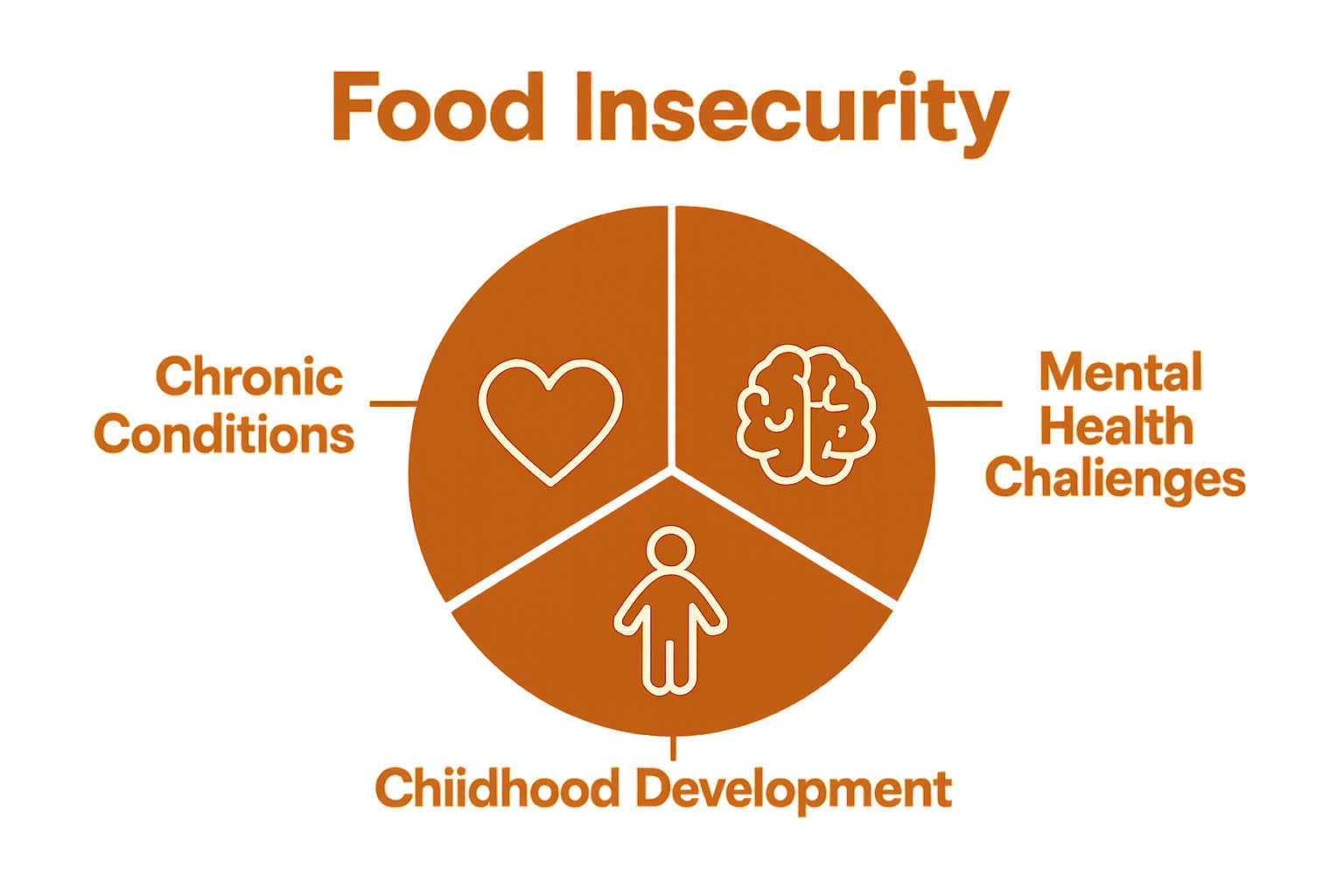
The economic burden of food insecurity extends well beyond individual health challenges. Healthcare costs, reduced workforce productivity, and social support systems bear substantial financial strain. Canadian research suggests that food insecurity costs the Canadian economy approximately $1.2 billion annually through increased healthcare expenditures and reduced economic participation.
Moreover, food insecurity disproportionately affects vulnerable populations, perpetuating cycles of poverty and economic marginalization. Low-income families, Indigenous communities, and rural populations face compounded challenges in accessing nutritious food, limiting their opportunities for social mobility and economic advancement.
To support food safety standards and mitigate these challenges, explore our comprehensive food safety training programs designed to enhance food handling practices across various sectors.
Food security is a multifaceted concept that requires a comprehensive approach to ensure all Canadians have consistent access to nutritious food. Understanding its key components helps develop targeted strategies for addressing systemic challenges across diverse geographic and socioeconomic contexts.
Canadian food security relies on robust agricultural systems, sustainable production methods, and efficient distribution networks. The ability to produce, process, and transport food effectively determines national nutritional resilience. Agriculture and Agri-Food Canada highlights several critical factors that influence food production and distribution:
Government policies play a crucial role in addressing food security challenges. These mechanisms include income support programs, nutrition assistance initiatives, and targeted interventions for vulnerable populations. Effective food security policies must address economic barriers, support agricultural innovation, and protect marginalized communities.
Indigenous Services Canada recognizes the unique challenges faced by Indigenous communities, emphasizing the need for culturally sensitive approaches that respect traditional food systems and local knowledge.
To enhance your understanding of food safety practices that contribute to overall food security, explore our comprehensive food handling courses designed to support professional food management standards across various sectors.
Achieving comprehensive food security in Canada involves navigating a complex landscape of environmental, economic, and social obstacles that require sophisticated, multifaceted solutions. These challenges demand innovative approaches and sustained commitment from governments, communities, and individuals.
Canada’s vast and diverse geography presents unique challenges for food production and distribution. Extreme climate variations, including harsh winters and changing precipitation patterns, significantly impact agricultural productivity. Environment and Climate Change Canada highlights several critical environmental challenges:
Food security is deeply intertwined with economic inequalities and systemic barriers. Low-income populations, including Indigenous communities, rural residents, and urban marginalized groups, face disproportionate challenges in accessing nutritious food. Statistics Canada reveals that economic factors significantly impact food accessibility, with household income being a primary determinant of nutritional quality and food security.
Structural economic challenges include rising food costs, limited local food production infrastructure, and uneven distribution of agricultural resources.
The following table provides an overview of the major challenges to achieving food security in Canada, organized by environmental/geographic and economic/structural barriers for easy comparison.
| Challenge Type | Key Barriers and Issues |
|---|---|
| Environmental & Geographic | Climate variation, reduced agricultural land, shifting growing seasons, water scarcity, soil degradation, extreme weather events |
| Economic & Structural | Income inequality, rising food costs, limited local production, uneven resource distribution, infrastructure limitations, systemic barriers |
To support food safety practices that can help mitigate some of these challenges, explore our professional food handler license training designed to enhance food handling standards across various sectors.
Food security represents a critical responsibility for restaurants and educational institutions, requiring comprehensive strategies that go beyond mere compliance with regulations. These organizations play pivotal roles in addressing nutritional challenges and promoting sustainable food practices within their communities.
Restaurants and schools must develop sophisticated approaches to menu planning that prioritize nutritional diversity, affordability, and accessibility. Strategic food procurement can significantly impact local food security dynamics. Health Canada recommends implementing comprehensive nutritional guidelines that consider:
Professional food handling and safety training become crucial mechanisms for implementing food security principles. Restaurants and schools must invest in comprehensive training programs that educate staff about nutritional standards, waste reduction, and sustainable food management. These educational initiatives transform institutions from passive food service providers to active contributors in addressing broader food security challenges.

Research from Food Banks Canada underscores the importance of institutional awareness in combating food insecurity, highlighting how professional training can create cascading positive effects across community food systems.
To support these critical efforts, explore our specialized food safety training for restaurants and schools, designed to enhance professional standards and contribute to broader food security objectives.
Across Canada, food security is increasingly threatened by economic inequality, limited food access, and inconsistent safety standards. As highlighted in the article, gaps in food handling practices and lack of training can intensify these challenges for both individuals and organizations. To secure a healthier future, communities and businesses need actionable skills and trusted certification.

Now is the time to turn awareness into impact. Strengthen your food safety knowledge and make a real difference in your workplace or community. With Probe It Food Safety.ca, you gain access to government-accredited, self-paced online courses designed by public health experts. Start your journey by exploring our food safety training programs or register now to ensure compliance and protect those you serve. Every step you take enhances Canada’s path to food security.
Food security refers to a state where all individuals have physical, social, and economic access to sufficient, safe, and nutritious food that meets their dietary needs and food preferences for an active and healthy life.
The key components of food security include availability (consistent food supply), access (economic and physical ability to obtain food), utilization (proper use of food), and stability (consistent access without disruptions).
Food insecurity can lead to nutritional deficiencies, chronic health conditions, mental health challenges, and compromised childhood development. It particularly affects individuals’ immune systems and overall physical and cognitive performance.
Challenges to achieving food security include environmental barriers like climate change, economic inequalities, rising food costs, and structural limitations that disproportionately affect vulnerable populations.
Exams are stressful, and the pressure of passing may leave you feeling overwhelmed and nervous that you won’t pass, even

Food safety is essential if you want to ensure safety and establish trust with your customers. Food handlers must be

Practicing good food safety habits is paramount to maintaining a healthy kitchen. Regardless of the size of your hotel business