No products in the cart.

10 Tips for Passing Your Food Handler’s Certificate Exam
Exams are stressful, and the pressure of passing may leave you feeling overwhelmed and nervous that you won’t pass, even


Over 4 million Canadians face food-related illnesses every year, underscoring the hidden dangers lurking in everyday meals. For anyone preparing or enjoying Canadian food, understanding how bacteria slip past common safety practices matters more than ever. This guide uncovers the biggest myths and must-know facts about foodborne bacteria, equipping you with practical knowledge to help protect yourself and your family from risks often ignored in Canadian kitchens.
| Point | Details |
|---|---|
| Understanding Foodborne Bacteria | Foodborne bacteria can cause severe health issues, with millions of illness cases reported annually in Canada. Recognising common culprits like Salmonella and E. coli is essential for prevention. |
| Proper Cleaning Practices | Antibacterial soaps are not necessary for kitchen sanitation; hot water and standard soap suffice to eliminate harmful bacteria without encouraging resistance. |
| High-Risk Food Groups | Raw or undercooked proteins, unpasteurized dairy, and ready-to-eat foods present significant contamination risks, necessitating careful handling and storage. |
| Preventive Measures | Implementing comprehensive food safety management systems, including staff training and strict hygiene protocols, is vital to reducing the risk of outbreaks. |
Foodborne bacteria represent microscopic organisms capable of causing serious health complications when introduced into the human digestive system. Over 4 million cases of food-related illnesses are reported annually in Canada, highlighting the critical importance of understanding these invisible threats.
Common bacterial culprits like Salmonella, E. coli, and Listeria can transform seemingly safe meals into potential health hazards. These microorganisms thrive in various environments and can multiply rapidly under specific conditions. Symptoms typically include stomach cramps, nausea, vomiting, diarrhea, and fever – indicating the body’s aggressive response to bacterial invasion.
One prevalent misconception involves bacterial elimination techniques. Many individuals believe antibacterial soaps are essential for kitchen surface sanitation, particularly after handling raw poultry. However, experts recommend that thorough cleaning with hot water and standard soap effectively removes harmful bacteria without contributing to antimicrobial resistance.
Pro Kitchen Safety Tip: Always use a dedicated cutting board for raw meats and wash it thoroughly with hot, soapy water immediately after use to prevent cross-contamination and bacterial spread.
Foodborne bacteria are microscopic organisms that pose significant health risks across Canadian food systems. Five primary bacterial pathogens dominate the national landscape of food-related illnesses, each presenting unique challenges to public health and safety protocols.
The most prevalent foodborne bacteria in Canada include Campylobacter, Salmonella, E. coli, Listeria, and Yersinia. Annual national statistics reveal staggering infection rates: approximately 88,000 Salmonella cases, 145,000 Campylobacter instances, 12,800 E. coli O157 infections, and 178 Listeria occurrences. These numbers underscore the critical importance of understanding and preventing bacterial contamination.
Each bacterial strain presents distinct symptoms and transmission pathways. Campylobacter typically spreads through undercooked poultry, while Salmonella often originates from raw eggs and unpasteurized dairy products. E. coli can contaminate ground meats and fresh produce, and Listeria poses exceptional risks to pregnant women, elderly individuals, and those with compromised immune systems.
Here is a summary of major foodborne bacteria in Canada and their characteristics:
| Bacteria | Primary Food Sources | Notable Risk Groups |
|---|---|---|
| Campylobacter | Undercooked poultry | Children, elderly |
| Salmonella | Raw eggs, unpasteurized dairy | All ages, immunocompromised |
| E. coli O157 | Ground meat, fresh produce | Young children, seniors |
| Listeria | RTE meats, soft cheeses | Pregnant, elderly, immunocompromised |
| Yersinia | Pork, contaminated water | Infants, young children |
Pro Food Safety Insight: Always use a calibrated food thermometer to ensure meats are cooked to safe internal temperatures, effectively killing potential harmful bacteria before consumption.
Foodborne bacteria can spread through multiple intricate transmission routes, creating complex contamination networks that challenge food safety protocols. Understanding these pathways is crucial for preventing potential health risks across various food preparation environments.
Production and handling stages present significant contamination opportunities. Fresh produce can become bacterial reservoirs through multiple contact points, including soil interactions, irrigation water, processing equipment, human handling, and animal exposure. Cross-contamination represents a particularly dangerous mechanism, where bacteria transfer between surfaces, ingredients, and food preparation areas.
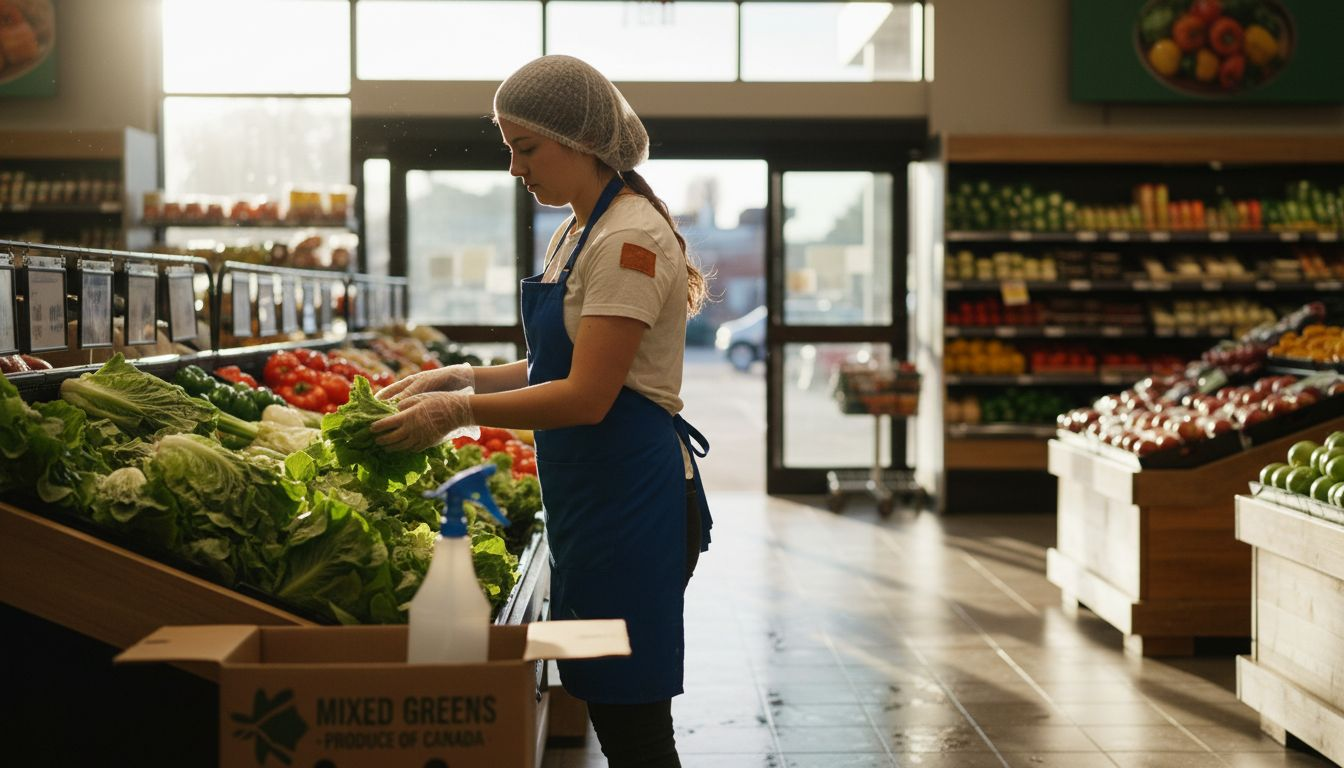
Enteric viruses demonstrate the complexity of pathogen transmission, spreading through fecal-oral routes involving water, food, aerosols, surface contact, and direct human interaction. Common high-risk transmission scenarios include consuming raw shellfish, contaminated salads, inadequately washed produce, and improper personal hygiene practices.
The table below compares common transmission routes for foodborne bacteria:
| Transmission Route | Typical Examples | Key Control Measures |
|---|---|---|
| Cross-contamination | Sharing cutting boards, utensils | Use separate equipment |
| Direct contact | Handling raw meats | Frequent hand washing |
| Contaminated water | Irrigation, washing produce | Use clean water sources |
| Improper storage | Food kept at unsafe temperatures | Maintain cold chain |
Pro Contamination Prevention Tip: Implement a strict colour-coded cutting board system to prevent cross-contamination, using separate boards for raw meats, vegetables, and cooked foods to minimise bacterial transfer between different food categories.
Certain food categories present significantly elevated risks for bacterial contamination, demanding heightened awareness and careful handling protocols. Understanding these high-risk food groups is crucial for preventing potential foodborne illnesses and protecting consumer health.
The most vulnerable food categories include raw or undercooked proteins such as meats, poultry, seafood, and eggs. Unpasteurized dairy products represent another critical contamination zone, with potential for rapid bacterial growth. Fresh produce, despite appearing innocuous, can harbour dangerous microorganisms from soil, water, and handling processes, making thorough washing and proper storage essential.
Ready-to-eat (RTE) foods pose particularly complex contamination challenges, especially regarding Listeria monocytogenes. These products, including deli meats, soft cheeses, and smoked seafoods, can support bacterial growth even under refrigeration, creating subtle but significant health risks that demand meticulous temperature control and hygiene management.
Pro Food Safety Insight: Always store high-risk foods at appropriate temperatures, use separate cutting boards for raw and cooked items, and consume or discard perishable foods within recommended time frames to minimise bacterial contamination risks.
Preventing foodborne bacterial outbreaks requires a comprehensive, multifaceted approach to food safety management, integrating rigorous protocols across production, handling, and distribution stages. Successful prevention demands consistent implementation of strategic safety measures and proactive contamination control strategies.
Key compliance strategies involve implementing preventive control plans that systematically address potential bacterial transmission risks. The Canadian Food Inspection Agency emphasizes the critical importance of environmental monitoring, particularly for high-risk pathogens like Listeria monocytogenes, requiring organisations to develop robust tracking and intervention mechanisms that identify and mitigate potential contamination sources before they escalate.
Effective outbreak prevention encompasses multiple interconnected practices, including meticulous hand hygiene, proper surface sanitisation, strategic food separation, precise temperature management, and consistent staff training. These comprehensive approaches create multiple defensive barriers against bacterial transmission, significantly reducing the likelihood of foodborne illness outbreaks across food preparation and distribution environments.

Pro Safety Protocol Tip: Develop and consistently update a detailed food safety management system that includes regular staff training, comprehensive cleaning schedules, and transparent documentation of all safety interventions and monitoring activities.
Understanding the risks posed by bacteria like Salmonella, Listeria, and E. coli is critical for Canadian food handlers looking to prevent contamination and outbreaks. This article highlights key challenges such as cross-contamination, proper cooking temperatures, and the importance of hygiene protocols. If you want to turn that knowledge into effective action and compliance with Canadian food safety regulations, taking certified training is a powerful next step.

Take control of food safety risks now by enrolling in trusted, government-accredited courses at Probe It Food Safety.ca. Our flexible Food Handler Certification helps you develop the skills to safely handle high-risk foods, minimise bacterial transmission, and implement best practices for your workplace. Don’t wait to protect your customers and comply with safety standards—start your training anytime with instant certification on completion. Visit Probe It Food Safety.ca today and empower yourself with the confidence to keep food safe for all Canadians.
The most common types of foodborne bacteria include Campylobacter, Salmonella, E. coli, Listeria, and Yersinia. Each of these bacteria poses specific health risks and can be found in various food sources.
To prevent foodborne illnesses, maintain proper hygiene by frequently washing hands, using separate cutting boards for raw meats and vegetables, cooking meats to safe internal temperatures, and thoroughly washing fresh produce before consumption.
High-risk foods for bacterial contamination include raw or undercooked proteins like meats, poultry, seafood, eggs, unpasteurized dairy products, and ready-to-eat foods such as deli meats and soft cheeses, which can support bacterial growth even when refrigerated.
Symptoms of foodborne bacterial infections typically include stomach cramps, nausea, vomiting, diarrhea, and fever, reflecting the body’s response to the bacterial invasion.
Exams are stressful, and the pressure of passing may leave you feeling overwhelmed and nervous that you won’t pass, even

Food safety is essential if you want to ensure safety and establish trust with your customers. Food handlers must be

Practicing good food safety habits is paramount to maintaining a healthy kitchen. Regardless of the size of your hotel business