No products in the cart.

10 Tips for Passing Your Food Handler’s Certificate Exam
Exams are stressful, and the pressure of passing may leave you feeling overwhelmed and nervous that you won’t pass, even


Canadian businesses are taking a hard look at how they train non-food staff as the pressure to stay competitive keeps rising. Most people think of training as a routine box to check and expect small results. But targeted staff training can lead to a 17 percent increase in productivity and a 21 percent boost in profitability according to Harvard research. Turns out, the real opportunity is not just in teaching new skills but in completely reimagining what staff development means for long-term growth.
| Takeaway | Explanation |
|---|---|
| Invest in Comprehensive Training | Targeted training can result in a 17% increase in productivity and a 21% boost in profitability, emphasizing its economic benefits for businesses. |
| Prioritize Soft Skills and Technical Skills | Training should enhance both technical abilities and soft skills like communication and teamwork, leading to a more engaged and innovative workforce. |
| Customize Training Programs | Tailoring training to specific work environments and individual learning needs ensures that employees receive relevant and effective skill development. |
| Implement Ongoing Development Practices | Establish systematic needs assessments and create a culture of continuous learning to adapt to changing workplace demands and foster employee growth. |
In the complex landscape of modern business, training non-food staff represents a critical investment in organizational success. Beyond traditional skill development, comprehensive training programs create substantial opportunities for employee growth, organizational resilience, and operational excellence.
Business performance is directly tied to workforce development. Research from Harvard Business School reveals that companies experience a remarkable 17% increase in productivity and a 21% boost in profitability when employees receive targeted training. This statistic underscores the tangible economic benefits of investing in comprehensive staff training programs.
Non-food staff often represent diverse roles critical to organizational functionality. From administrative personnel to maintenance teams, customer service representatives to technical support, each team member contributes uniquely to overall business performance. Effective training ensures these professionals are equipped with the necessary skills, knowledge, and confidence to excel in their respective domains.
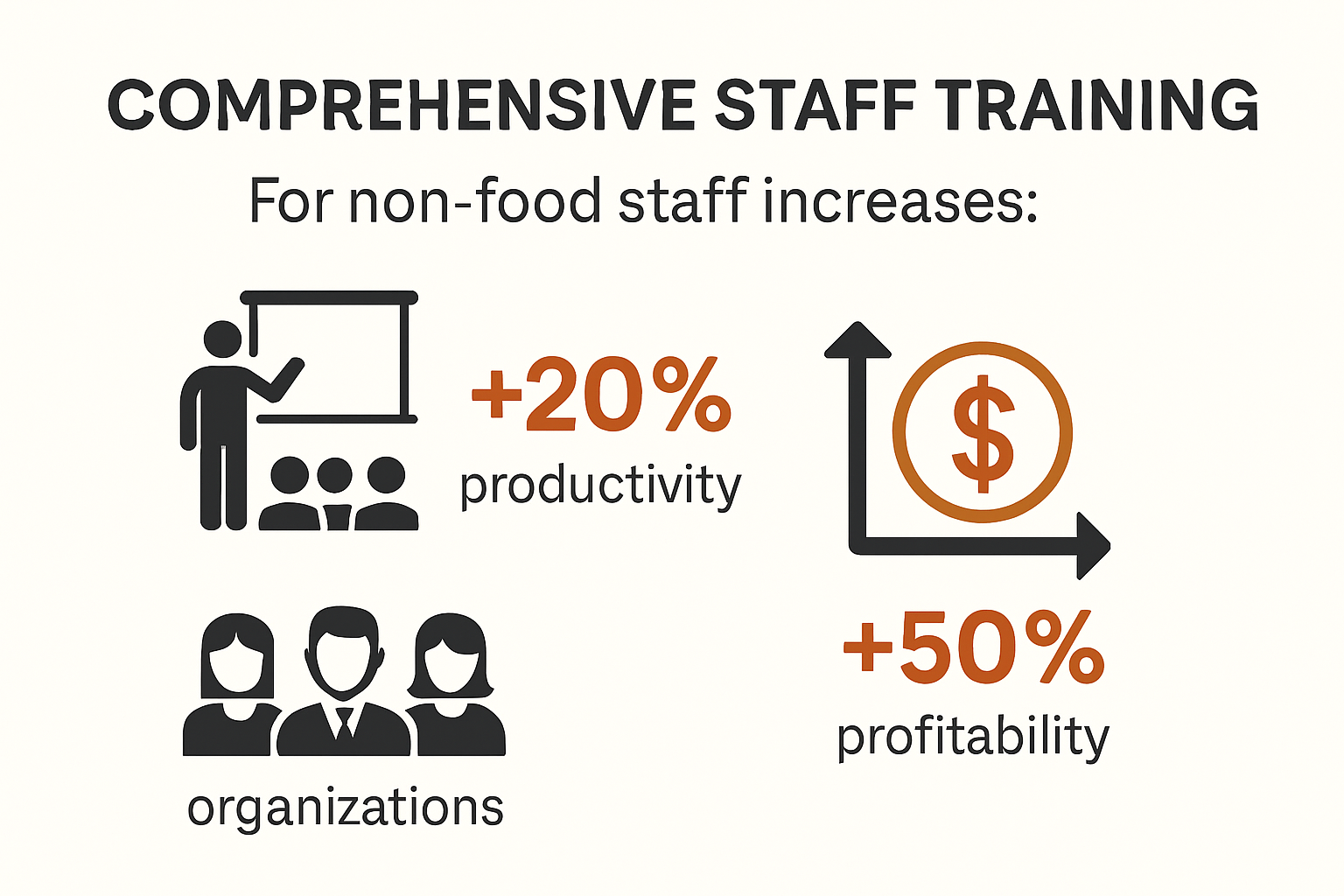
Training extends far beyond mere skill acquisition. According to the National Center for Biotechnology Information, targeted training enhances employee confidence, which directly influences workplace safety and performance. Confidence translates into more proactive problem solving, reduced workplace accidents, and improved interpersonal communication.
For Canadian businesses, this approach means creating environments where non-food staff feel empowered to contribute meaningfully. Training programs that focus on both technical skills and soft skills like communication, teamwork, and adaptability generate substantial long-term value. Employees who understand their role within the broader organizational context are more engaged, motivated, and likely to contribute innovative solutions.
In an era of rapid technological and economic transformation, continuous learning becomes a competitive advantage. Training non-food staff is not just about addressing current skill gaps but preparing organizations for future challenges. By investing in comprehensive staff development programs, businesses can create flexible, resilient workforces capable of navigating complex operational landscapes.
The most successful organizations recognize that every employee represents a potential source of innovation and growth. Non-food staff training is therefore a strategic imperative, not merely an optional expense. By prioritizing skill development, businesses signal their commitment to employee potential and organizational excellence.
Ultimately, effective training for non-food staff transforms workforce capabilities, drives operational efficiency, and positions businesses to thrive in an increasingly competitive global marketplace.
Effective training for non-food staff requires a comprehensive approach that addresses multiple critical skill areas essential for modern workplace success. Organizations must design training programs that go beyond traditional skill development, focusing on holistic competencies that enhance individual and organizational performance.
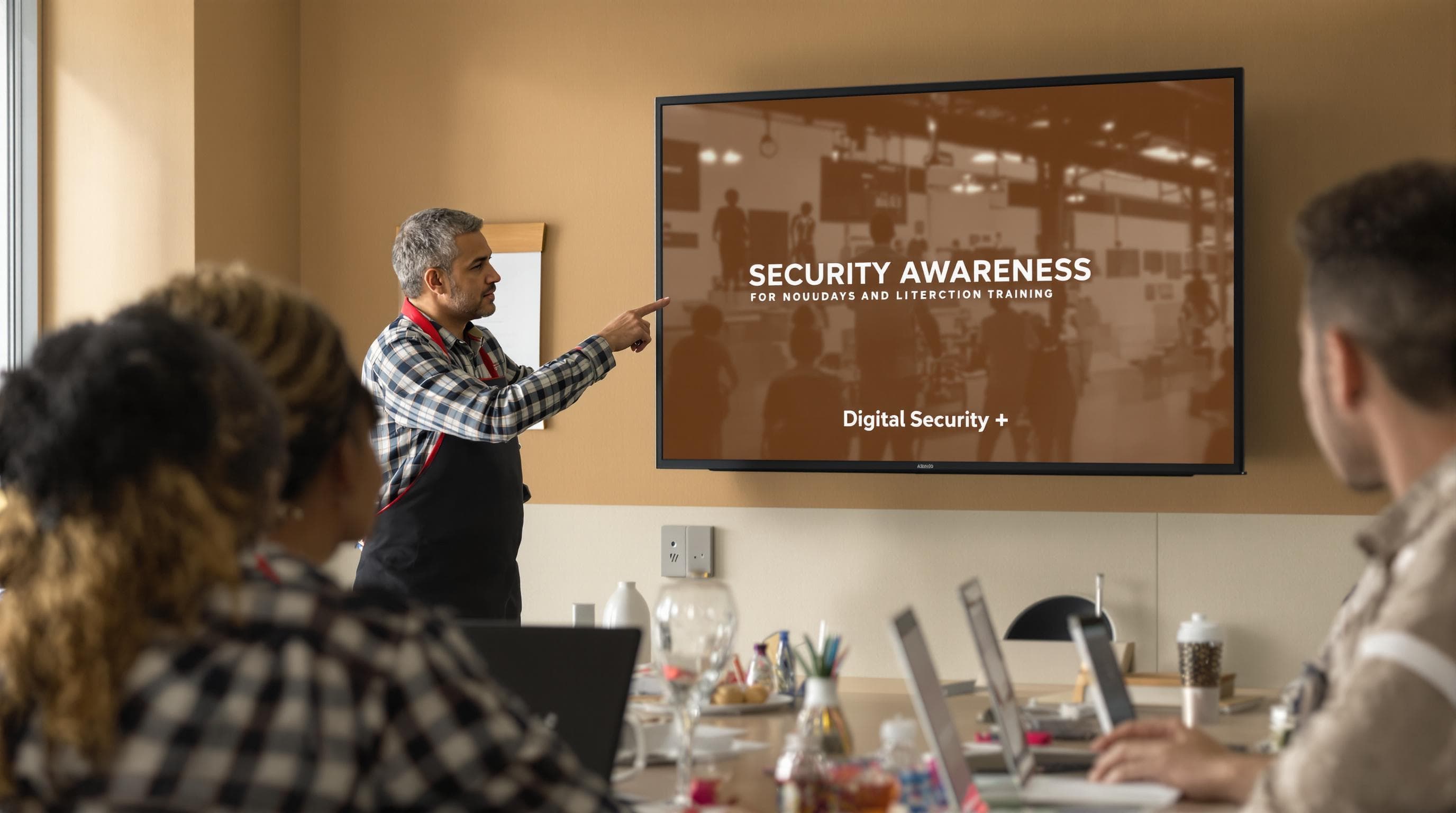
In an increasingly digital world, cybersecurity training has become paramount for all staff members. Research from the cybersecurity curriculum study emphasizes the critical need for employees across sectors to understand digital threats and protection strategies. Non-food staff must develop skills in recognizing phishing attempts, managing sensitive information, and implementing basic digital security protocols.
Key cybersecurity training topics should include password management, recognizing social engineering tactics, understanding data privacy regulations, and basic network security practices. These skills protect not just individual employees but entire organizational infrastructure from potential digital vulnerabilities.
Effective communication remains a cornerstone of professional success. Training programs must prioritize developing robust interpersonal skills that enable non-food staff to collaborate effectively, resolve conflicts, and communicate clearly across different organizational levels. This includes training in active listening, professional written and verbal communication, conflict resolution, and cross-functional collaboration.
Specialized communication training can help employees from different departments understand each other’s roles, break down organizational silos, and create more integrated workplace environments. Learn more about professional communication strategies to enhance overall organizational effectiveness.
The modern workplace demands continuous learning and adaptability. Training programs must equip non-food staff with skills that transcend their immediate job requirements. This includes critical thinking, problem solving, emotional intelligence, and the ability to learn and unlearn skills rapidly.
Adaptive skills training should focus on helping employees become more resilient, understand change management principles, and develop a growth mindset. Topics might include time management, stress reduction techniques, innovation thinking, and strategies for continuous personal and professional development.
By implementing comprehensive training programs that address these key areas, organizations can create a more skilled, confident, and adaptable workforce. Non-food staff training is not just about filling skill gaps but about building a dynamic, responsive organizational culture that can navigate the complexities of modern business environments.
The most successful training approaches will be those that recognize the unique potential of each employee, providing personalized learning experiences that align with both individual career aspirations and organizational goals. Through strategic, thoughtful training initiatives, businesses can transform their non-food staff into powerful drivers of innovation and organizational success.
To help clarify the main skill areas discussed for non-food staff training, the following table summarizes each topic with its core focus:
| Training Area | Core Focus |
|---|---|
| Cybersecurity & Digital Literacy | Develop awareness of digital threats, safe data practices |
| Communication & Interpersonal Skills | Enhance collaboration, clarity, conflict resolution |
| Professional & Adaptive Skills | Critical thinking, resilience, innovation, continuous learning |
Customizing training programs requires a nuanced approach that recognizes the unique characteristics of different workplace environments. Effective training is not a one-size-fits-all solution but a strategic process of tailoring educational experiences to specific organizational needs, learning styles, and workplace contexts.
According to Penn State Extension, successful training design must consider employees’ diverse literacy levels and individual learning preferences. This means creating multifaceted training programs that incorporate various learning methods such as visual aids, interactive demonstrations, written materials, and hands-on practice sessions.
The key is flexibility. Some employees might excel with visual learning materials, while others prefer detailed written instructions or practical demonstrations. By offering multiple learning modalities, organizations can ensure that training content is accessible and engaging for all staff members, regardless of their background or learning style.
Research from the California Department of Industrial Relations emphasizes the critical importance of contextualizing training to the specific work being performed. This means moving beyond generic instruction and developing programs that directly address the unique challenges and requirements of each workplace setting.
For instance, training for administrative staff in a healthcare setting will differ significantly from training for maintenance personnel in a manufacturing facility. Each environment demands specialized knowledge, safety protocols, and skill sets. Effective customization involves conducting thorough job-specific assessments, understanding workplace risks, and developing targeted training modules that speak directly to those unique needs.
Guidance from the Vermont Department of Labor highlights the importance of creating live, interactive training experiences. This approach goes beyond passive information delivery, actively involving employees in the learning process. Interactive training might include scenario-based learning, group problem-solving exercises, role-playing, and real-world case studies that encourage critical thinking and practical skill application.
Participatory methods have proven particularly effective in increasing employee engagement and knowledge retention. By inviting staff to contribute their experiences, ask questions, and participate in training design, organizations create a more collaborative learning environment. This approach not only improves training effectiveness but also demonstrates a commitment to employee development and organizational learning.
Customizing training for different settings is a dynamic, ongoing process. It requires continuous assessment, feedback collection, and adaptation. Organizations must remain flexible, willing to refine their training approaches based on employee input, changing workplace technologies, and evolving industry standards.
Ultimately, the most successful training programs are those that view learning as a collaborative journey. By recognizing the unique needs of different workplace settings and embracing a personalized, interactive approach to training, businesses can create more resilient, skilled, and adaptable workforces.
Here is a table that compares different training customization approaches and their benefits as discussed above:
| Customization Approach | Key Attribute | Example Benefit |
|---|---|---|
| Multiple Learning Modalities | Visual, written, hands-on methods | Accommodates diverse learning styles |
| Job-Specific Training Modules | Contextualized content | Addresses unique workplace risks & needs |
| Interactive/Participatory Experiences | Live, scenario-based, group activity | Increases engagement & knowledge retention |
Ongoing staff development represents a strategic approach to maintaining and enhancing organizational capabilities. In the rapidly evolving workplace of 2025, businesses must move beyond traditional training models to create dynamic, responsive learning environments that support continuous professional growth.
Research from the National Institute for Occupational Safety and Health emphasizes the critical importance of regular needs assessments in staff development. Organizations must implement systematic processes to identify skill gaps, emerging competency requirements, and individual learning potential. This involves creating robust feedback mechanisms, conducting periodic skills audits, and developing personalized development plans that align individual growth with organizational objectives.
Effective needs assessments go beyond surface-level evaluations. They require a holistic approach that considers technological changes, industry trends, and individual employee aspirations. By understanding the precise development needs of non-food staff, organizations can create targeted learning interventions that drive both individual and organizational performance.
Modern staff development transcends traditional training room experiences. The most effective approaches integrate learning directly into daily work processes, creating seamless opportunities for skill acquisition and knowledge application. This means developing learning resources that are immediately accessible, contextually relevant, and easily digestible.
Technology plays a crucial role in this integrated approach. Digital platforms, microlearning modules, and just-in-time learning resources enable staff to acquire new skills precisely when they need them. Learn more about tracking professional development to understand how organizations can effectively monitor and support continuous learning.
Sustainable staff development requires more than structured training programs. It demands creating an organizational culture that genuinely values continuous learning, curiosity, and professional growth. This involves leadership actively modeling learning behaviors, providing resources and time for skill development, and recognizing and rewarding employees who demonstrate commitment to personal and professional improvement.
Key strategies include establishing mentorship programs, creating cross-functional learning opportunities, supporting external education and certification pursuits, and implementing knowledge-sharing platforms. Organizations must view learning as an ongoing journey rather than a destination, encouraging employees to continuously expand their capabilities and adapt to changing workplace demands.
Successful ongoing staff development is not a one-size-fits-all approach. It requires flexibility, personalization, and a genuine commitment to employee potential. By creating comprehensive, adaptive learning ecosystems, businesses can transform staff development from a compliance requirement into a powerful strategic advantage.
In the dynamic landscape of 2025, organizations that prioritize continuous learning will be best positioned to attract, retain, and develop top talent. The most successful businesses will be those that view staff development not as an expense, but as a critical investment in their most valuable resource: their people.
Targeted training for non-food staff can lead to a 17% increase in productivity and a 21% boost in profitability, enhancing overall organizational performance and employee growth.
Businesses can tailor training by understanding workplace diversity and learning needs, developing job-specific training modules, and using interactive and participatory training approaches to engage all employees effectively.
Key topics for training should include cybersecurity and digital literacy, communication and interpersonal skills, as well as professional development and adaptive skills, ensuring a well-rounded skillset for employees.
Organizations should conduct systematic needs assessments, integrate learning into daily work processes, and cultivate a culture of continuous learning through mentorship programs and recognition of employee growth.
Canadian businesses know that the right training can boost productivity and profitability. If you have struggled to keep non-food staff up to date or worry about inconsistent results, you are not alone. Staff need accessible, relevant skills in cybersecurity, communication, and workplace safety. Time and budget constraints add even more pressure, making it hard to deliver quality training that truly prepares your team for future challenges.

Take control of your training strategy now. Probe It Food Safety.ca makes professional development simple and effective. Your staff can access government-accredited courses 24-7, from Food Handler Certification to WHMIS training designed by public health experts. Get instant certification upon completion to keep your team compliant and confident. Do not let outdated training hold your business back. Unlock your team’s full potential with Probe It Food Safety.ca and create a safer, smarter workplace today.
WHMIS requirements evolve. This guide reflects the rules as of June 2026, and our team reviews the content when federal and provincial authorities update their requirements. Spot a change before we did? Email us at info@probeit.ca and our team will review it.
This guide simplifies complex rules for educational purposes. It does not replace the Hazardous Products Act, its Regulations, or provincial occupational health and safety requirements, and employers remain responsible for their own compliance. Always verify final requirements against the current official text.
Exams are stressful, and the pressure of passing may leave you feeling overwhelmed and nervous that you won’t pass, even

Food safety is essential if you want to ensure safety and establish trust with your customers. Food handlers must be

Practicing good food safety habits is paramount to maintaining a healthy kitchen. Regardless of the size of your hotel business