No products in the cart.

10 Tips for Passing Your Food Handler’s Certificate Exam
Exams are stressful, and the pressure of passing may leave you feeling overwhelmed and nervous that you won’t pass, even


Staff health screening can determine whether a restaurant or school runs smoothly or faces a sudden closure. Regular health checks can cut workplace illness outbreaks in half and prevent costly shutdowns. Most people expect these screenings to be a time-consuming, bureaucratic chore. Instead, modern health screening in 2025 is faster and more secure than ever, thanks to digital tools and more innovative protocols.
| Takeaway | Explanation |
| Regular health screenings protect public health. | Health screenings help identify potential health risks, preventing the transmission of disease in restaurants and schools. |
| Customized protocols are essential for diverse workplaces. | Tailor health screening approaches to specific environments like restaurants, daycares, and schools for better effectiveness. |
| Technology enhances health screening efficiency. | Implement digital health-tracking systems to streamline monitoring and maintain confidentiality. |
| Continuous staff training ensures compliance and safety. | Ongoing employee education on health screening protocols promotes adherence and a culture of health awareness. |
| Legal compliance is critical for health screening practices. | Understand and adhere to provincial regulations regarding employee privacy and health assessment methodologies. |
Staff health screening plays a critical role in maintaining workplace safety and public health across Canadian restaurants, schools, and childcare facilities. These systematic health assessments are not just administrative procedures but essential protective measures that safeguard both employees and the communities they serve.
In environments where food preparation and close human interactions occur, staff health screening becomes a crucial preventive strategy. Research from the Public Health Agency of Canada highlights that workplace health screenings can significantly reduce the risk of infectious disease transmission. For restaurants and schools, this means creating environments where potential health risks are identified and mitigated before they can spread.
Staff health screenings typically involve comprehensive assessments that go beyond simple temperature checks. They include detailed health questionnaires, potential medical history reviews, and targeted examinations that can detect communicable diseases early. These screenings are vital in settings like commercial kitchens and educational institutions, where multiple individuals interact closely throughout the day.
Beyond immediate health benefits, staff health screenings have substantial economic implications for businesses. A study by the Conference Board of Canada suggests that proactive health management can reduce workplace absenteeism and minimize potential business disruptions. When employees are regularly screened, organizations can quickly identify and address possible health issues, maintaining operational continuity.
For restaurants and schools, this means fewer unexpected staff shortages, reduced risk of widespread illness outbreaks, and enhanced overall workplace resilience. Health screenings demonstrate an organization’s commitment to employee well-being, which can also boost staff morale and demonstrate professional responsibility to clients and customers.
Canadian workplace health and safety regulations increasingly emphasize the importance of comprehensive health screening protocols. Organizations must navigate complex legal requirements mandating regular health assessments, especially in sectors such as food preparation and child care. By implementing robust staff health screening processes, businesses not only protect their employees but also ensure compliance with provincial and federal health standards.
Implementing a systematic staff health screening program requires careful planning, clear communication, and a commitment to maintaining employee privacy and dignity. It involves creating streamlined processes that are both thorough and respectful, balancing the need for comprehensive health monitoring with individual employee rights.
For those looking to develop comprehensive workplace safety strategies, our guide on workplace safety compliance offers additional insights into creating effective health screening protocols that meet Canadian regulatory standards.
Developing a comprehensive staff health screening program requires strategic planning, clear protocols, and a systematic approach tailored to specific workplace environments. Restaurants, schools, and childcare facilities must implement rigorous screening methods that balance thoroughness with employee privacy and operational efficiency.
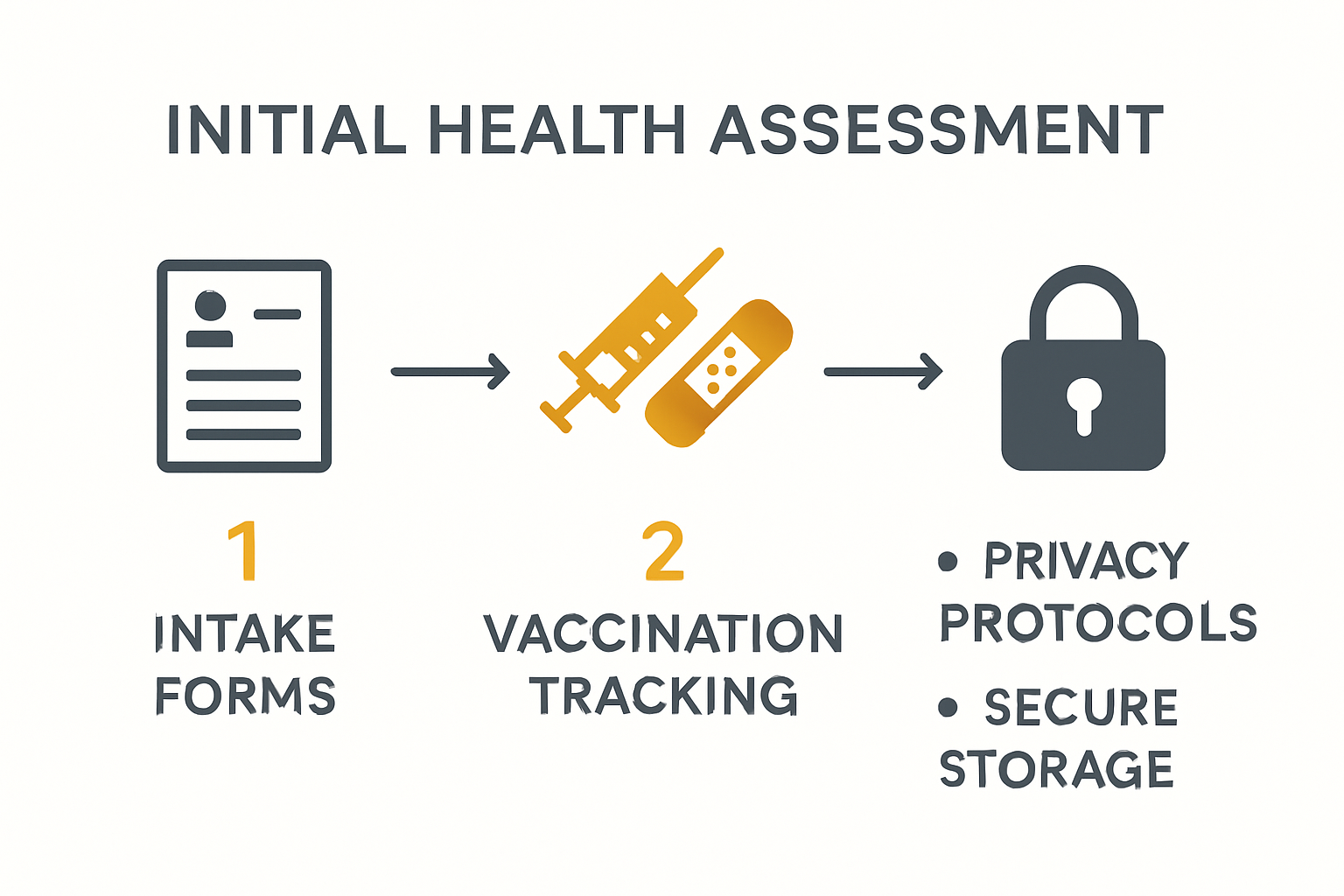
The foundation of effective staff health screening begins with a structured initial assessment. Research from the Canadian Centre for Occupational Health and Safety recommends creating detailed health intake forms that capture critical medical information while respecting employee confidentiality. These documents should include a comprehensive medical history, vaccination records, and potential exposure risks specific to the workplace environment.
Key documentation elements typically include:
Detailed medical history questionnaires
Proof of required vaccinations
Recent health examination results
Specific risk factor assessments related to job responsibilities
Employers must ensure these documents are securely maintained, with strict protocols governing access and information management. This approach helps create a transparent and trustworthy health screening process that protects both employees and the organization.
The Public Health Agency of Canada emphasizes the importance of ongoing health monitoring beyond initial assessments. For food service and educational environments, this means implementing regular health check-ins that go beyond traditional medical screenings.
Effective screening protocols should include:
Periodic health reassessments
Routine temperature and symptom checks
Specialized screenings based on specific workplace risks
Mechanisms for reporting potential health concerns
Technology can play a crucial role in streamlining these processes. Digital health-tracking systems enable more efficient monitoring, allowing quick identification of potential health risks while maintaining employee privacy and reducing administrative burden.
Staff health screening is not a static process but a dynamic approach that requires continuous refinement. Organizations must stay current with evolving health guidelines and regulatory requirements. This means regularly updating screening protocols, investing in staff training, and creating flexible systems that can quickly adapt to changing health landscapes.
Training becomes a critical component of successful health screening implementation. Staff must understand the importance of these protocols, know how to complete health assessments accurately, and feel comfortable reporting potential health concerns.
For comprehensive guidance on developing robust workplace health protocols, check out our workplace safety compliance guide that provides detailed insights into creating effective health screening strategies for Canadian businesses.
To clarify the step-by-step process of establishing staff health screening, the following table organizes the primary phases and their corresponding actions:
| Step | Key Actions |
| Initial Assessment | Complete health questionnaires, collect vaccination records. |
| Documentation | Maintain medical history forms and examination results |
| Regular Monitoring | Schedule periodic health check-ins and symptom tracking |
| Specialized Screening | Conduct job-specific health screenings (e.g., food handlers) |
| Incident Reporting | Enable a confidential process for health concern submissions |
| Training & Communication | Educate staff on protocols, ensure clarity and compliance |
| Continuous Improvement | Update protocols as regulations and risks evolve |
Implementing effective staff health screening requires tailored approaches specific to different workplace environments. Restaurants, daycares, and schools each face unique challenges that demand specialized strategies to protect employee and client health while maintaining operational efficiency.
Research from Health Canada highlights the critical importance of environment-specific health screening protocols. Restaurants, for instance, require different screening approaches compared to educational institutions or childcare facilities.
In restaurant settings, health screenings must focus on food handling safety, potential communicable diseases, and physical fitness for high-intensity kitchen work. Chefs and food service workers need comprehensive assessments that address:
Skin condition and wound management
Respiratory health
Gastrointestinal fitness
Personal hygiene practices
Daycares and schools, conversely, demand screening protocols that prioritize the protection of vulnerable populations. These environments require more extensive health monitoring, with a particular emphasis on preventing the spread of childhood illnesses and ensuring staff are physically capable of managing high-energy educational environments.
To help compare the focus areas in staff health screening for different workplaces, see the table below:
| Environment | Screening Focus Areas |
| Restaurants | Food handling safety, skin & wound checks, respiratory & gastrointestinal health, hygiene practices |
| Daycares | Childhood illness prevention, staff fitness for childcare, vaccination verification |
| Schools | Illness prevention, staff capability, and ongoing symptom monitoring |
The Canadian Institute of Food Safety recommends leveraging modern technology to streamline health screening processes. Digital health tracking systems can provide real-time monitoring, automated record-keeping, and quick response mechanisms for potential health risks.
Key technological considerations include:
Secure digital health questionnaires
Temperature tracking applications
Integrated health reporting systems
Confidential medical record management
These technological solutions help organizations maintain comprehensive health records while protecting employee privacy and ensuring rapid response to potential health concerns. The goal is to create a system that is both thorough and minimally intrusive.
Successful health screening goes beyond procedural checklists. Organizations must cultivate a culture of health awareness and proactive wellness. This means investing in continuous staff education, creating supportive environments where employees feel comfortable reporting health concerns, and developing transparent communication strategies.
Training programs should cover:
Proper health screening procedures
Understanding health risk indicators
Confidentiality and privacy protocols
Mental health awareness
For restaurants and educational institutions seeking comprehensive guidance on implementing robust health screening strategies, our food safety training resources provide detailed insights into creating effective workplace health management systems.
Ultimately, successful staff health screening requires a holistic approach that balances scientific rigour, technological innovation, and human-centred care. By developing adaptive, comprehensive protocols, organizations can create safer, healthier workplaces that protect both employees and the communities they serve.

Navigating the complex landscape of legal requirements for staff health screening demands a comprehensive understanding of provincial and federal regulations. Organizations in restaurants, schools, and childcare facilities must develop robust screening protocols that not only ensure workplace safety but also maintain strict compliance with evolving health and employment standards.
The Canadian Centre for Occupational Health and Safety emphasizes that workplace health screening involves intricate legal considerations. Different provinces have unique requirements that organizations must carefully interpret and implement. These regulations cover critical aspects such as employee privacy, protection of medical information, and non-discriminatory screening practices.
Key legal considerations include:
Protecting employee medical confidentiality
Ensuring non-discriminatory screening processes
Maintaining transparent communication about health requirements
Respecting individual privacy rights
Implementing scientifically validated screening methods
Employers must balance comprehensive health monitoring with strict adherence to human rights legislation. This means creating screening protocols that are both thorough and respectful of individual employee rights.
The Office of the Privacy Commissioner of Canada provides clear guidelines on managing employee health information. Organizations must obtain explicit consent for health screenings, clearly communicate the purpose of medical assessments, and ensure that collected information remains strictly confidential.
Effective consent and privacy protection strategies include:
Detailed written consent forms
Clear explanation of screening purposes
Secure storage of medical information
Limited access to health documentation
Transparent data management policies
Technology plays a crucial role in maintaining privacy. Digital health screening systems must incorporate robust security measures that protect sensitive employee information from unauthorized access or potential breaches.
Health screening is an ongoing process that requires constant adaptation to changing regulations and emerging health guidelines. Organizations must develop flexible systems that can quickly incorporate new legal requirements and health recommendations.
Risk management strategies should focus on:
Regular policy reviews
Ongoing staff training
Monitoring changes in provincial health regulations
Developing responsive screening protocols
Creating clear communication channels
For organizations seeking comprehensive guidance on navigating workplace safety regulations, our workplace safety compliance guide offers detailed insights into creating legally sound health screening processes.
Successful legal compliance in staff health screening goes beyond mere checklist completion. It requires a holistic approach that integrates legal knowledge, technological innovation, and a genuine commitment to employee well-being. By developing proactive, transparent, and respectful screening protocols, organizations can create safer workplaces that protect both employees and the broader community.
Staff health screening is crucial in restaurants and schools as it helps identify potential health risks, thus preventing disease transmission and maintaining a safe environment for employees and patrons.
Technology enhances health screening efficiency by providing digital health-tracking systems that streamline monitoring, enable secure document management, and maintain employee confidentiality, enabling quicker identification of health risks.
Best practices include customizing screening protocols to specific environments, using technology to streamline documentation, providing ongoing staff training, and continuously updating protocols in line with changing health guidelines and regulations.
Organizations must adhere to provincial and federal regulations regarding employee privacy, medical confidentiality, and non-discriminatory practices in health screenings, ensuring that their protocols respect individual rights while promoting workplace safety.
Maintaining a healthy workplace in restaurants and schools takes more than just routine checks. The challenges you face are real. You need to protect your team and clients, meet evolving legal requirements, and do it without disrupting daily operations. The article showed how essential customized health screening and workplace training are for avoiding outbreaks and downtime. Now you need a solution that helps you take action quickly and with confidence.
With Probe It Food Safety.ca, you get instant access to government-accredited online courses tailored for Canadian restaurants and schools. From Food Handler Certification to WHMIS and TDG training, our flexible learning platform ensures your staff is not only screened and ready, but fully trained for compliance. Do not wait for a crisis to highlight the gaps in your protocols. Visit Probe It Food Safety.ca and start building a safer, healthier workplace today.
Exams are stressful, and the pressure of passing may leave you feeling overwhelmed and nervous that you won’t pass, even

Food safety is essential if you want to ensure safety and establish trust with your customers. Food handlers must be

Practicing good food safety habits is paramount to maintaining a healthy kitchen. Regardless of the size of your hotel business