No products in the cart.

10 Tips for Passing Your Food Handler’s Certificate Exam
Exams are stressful, and the pressure of passing may leave you feeling overwhelmed and nervous that you won’t pass, even


Parents and guardians across Canada share a common concern: ensuring children receive safe, nutritious meals in schools and daycare settings. With evolving guidelines and heightened awareness around food safety, allergies, and childhood nutrition, many wonder how to navigate these complexities. This guide provides clear, evidence-based strategies for serving food that supports children’s health and development. You’ll discover practical approaches to menu planning, safe food handling, responsive feeding practices, and creating inclusive environments that honour diverse dietary needs while meeting Canadian nutritional standards in 2026.
| Point | Details |
|---|---|
| Balanced meals matter | Include protein, whole grains, fruits, vegetables, and milk to meet nutritional requirements |
| Snack patterns ensure variety | Follow two-pattern approach pairing protein or grains with produce for complete nutrition |
| Safety prevents illness | Maintain proper temperatures, avoid choking hazards, and prevent cross-contamination |
| Responsive feeding builds skills | Respect hunger cues and support autonomy to develop lifelong healthy eating habits |
| Inclusive planning reduces risks | Consider allergies, cultural diversity, and clear policies for safer environments |
Canadian child care settings follow specific nutritional frameworks designed to support healthy growth and development. Meals should include milk, one choice from iron-rich protein foods, one choice from whole grain foods, and two choices from vegetables and fruits. This structure ensures children receive essential nutrients throughout the day.
Snacks play an equally important role in meeting nutritional needs. Child care settings should follow snack patterns: Snack A with protein foods and fruits or vegetables, and Snack B with whole grains and fruits or vegetables. This two-pattern approach prevents monotony while delivering balanced nutrition.
Variety extends beyond food groups. Offering different colours, textures, and preparation methods exposes children to diverse eating experiences. Repeated exposure to new foods increases acceptance over time, even when initial reactions seem negative. Children may need 10 to 15 exposures before accepting unfamiliar items.
Menu planning requires thoughtful consideration of multiple factors:
Pro Tip: Introduce one new food alongside familiar favourites. This reduces pressure and increases the likelihood children will try something different without feeling overwhelmed.
The Canada’s Food Guide emphasises whole foods over processed options. Choosing minimally processed proteins, whole grains, and fresh produce supports better health outcomes. Understanding school nutrition policies Canada helps parents align home practices with institutional standards.
| Meal component | Examples | Nutritional role |
|---|---|---|
| Protein foods | Eggs, beans, fish, poultry | Supports growth and tissue repair |
| Whole grains | Brown rice, oats, whole wheat bread | Provides sustained energy and fibre |
| Vegetables and fruits | Carrots, apples, berries, broccoli | Delivers vitamins, minerals, antioxidants |
| Milk products | Cheese, yoghurt, milk | Builds strong bones with calcium |
Familiarising yourself with school lunch regulations Canada ensures your expectations match what institutions can legally and practically provide. These regulations exist to protect children’s health while accommodating diverse needs.
Food safety practices prevent illness and create secure eating environments. Temperature control stands as the first line of defence. Serving hot foods at temperatures above 60°C (140°F) and cold foods below 4°C (40°F) minimises bacterial growth, reducing the risk of foodborne illnesses that can be particularly dangerous for young children.
Choking hazards require special attention. Certain foods pose choking hazards for children under four and must be prepared carefully or avoided. Cut grapes and cherry tomatoes into quarters lengthwise. Slice hot dogs lengthwise, then into small pieces. Avoid whole nuts, hard candies, and popcorn for younger children.
Cross-contamination prevention protects children from allergens and pathogens:
Water should be freely available throughout the day. Limit milk to mealtimes and avoid sugary drinks entirely. Juice, even 100% fruit juice, lacks the fibre of whole fruit and contributes to excess sugar intake.
Pro Tip: Create visual reminders near food preparation areas showing proper handwashing steps and safe food temperatures. These cues help maintain consistent practices even during busy periods.
“Safe food handling isn’t just about following rules. It’s about creating an environment where children can explore food without unnecessary risks, building positive associations with mealtimes.”
Understanding food safety standards in Canada provides the foundation for all preparation and serving activities. These standards reflect current scientific understanding of how to minimise health risks whilst maximising nutritional benefits.
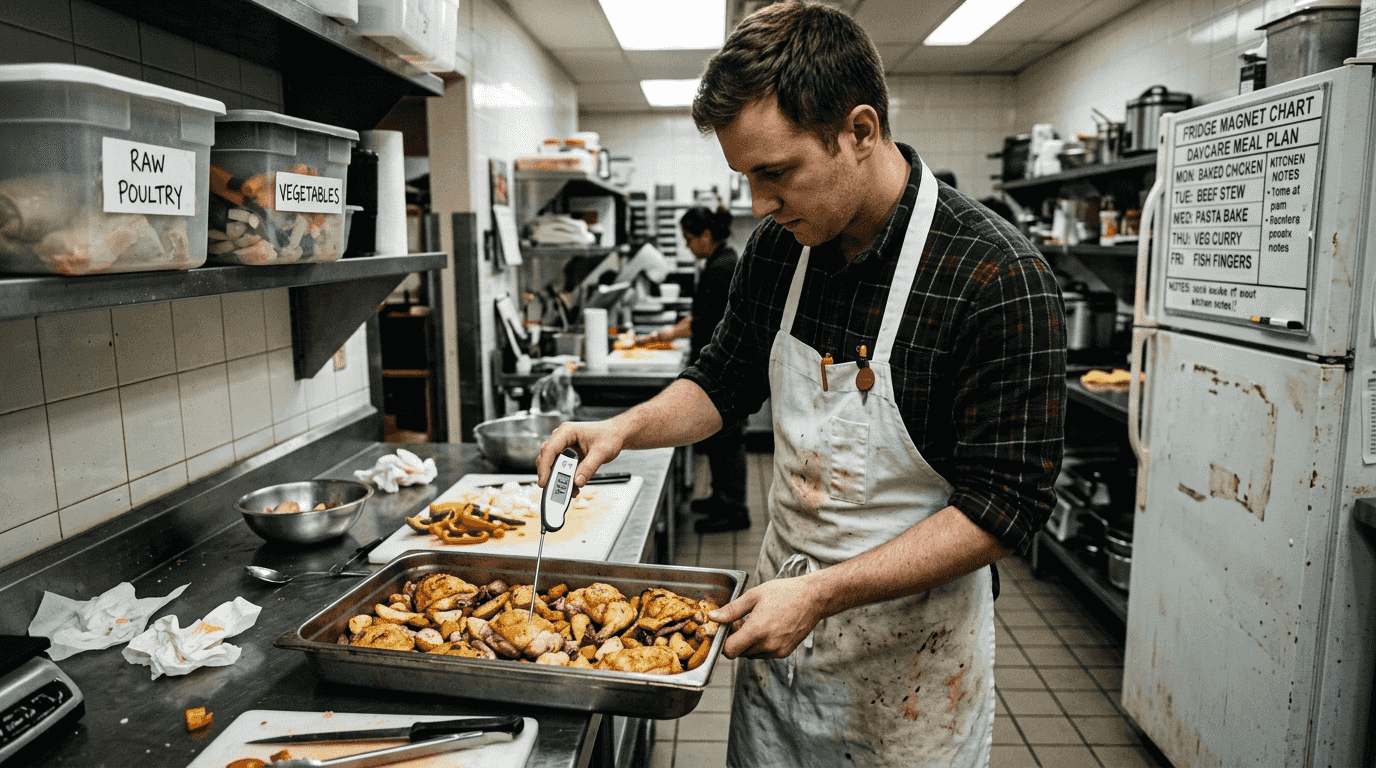
Storage practices matter as much as preparation. Keep perishables refrigerated until serving time. Discard foods left at room temperature for more than two hours. Never reuse serving utensils that have touched children’s mouths without washing them first.
Responsive feeding transforms mealtimes from potential battlegrounds into opportunities for connection and skill development. Responsive feeding helps children develop eating competence by respecting their hunger and fullness cues, exploring new foods, and enjoying a variety of foods. This approach builds trust between children and caregivers whilst supporting autonomy.
Children possess innate abilities to regulate their food intake. Pressuring them to finish plates or restricting access to certain foods disrupts these natural signals. Instead, offer appropriate portions and allow children to decide how much to eat. They may eat more on active days and less when sedentary.
Creating positive mealtime environments involves several key practices:
Pro Tip: Describe foods using neutral, appealing language. Instead of “You must try this,” say “This crunchy apple tastes sweet and juicy.” Descriptive language sparks curiosity without creating pressure.
Role modelling significantly influences children’s eating behaviours. When caregivers demonstrate enjoyment of diverse foods, children become more willing to experiment. Sharing meals creates social learning opportunities that extend beyond nutrition.
Repeated exposure works more effectively than force. Offer rejected foods multiple times in different preparations. A child who refuses raw tomatoes might enjoy them roasted or in sauce. Patience yields better long-term results than coercion.
Exploring health benefits of healthy snacks helps parents understand how strategic snack choices support overall nutrition rather than merely filling time between meals. Well-planned snacks contribute essential nutrients children need for growth.
Effective menu planning balances nutritional requirements with practical realities. Menu planning in child care must consider food costs, cultural diversity, allergies, and regional availability. This multifaceted approach ensures menus work for all children whilst remaining financially sustainable.
Cultural inclusivity enriches children’s eating experiences. Incorporating dishes from various traditions exposes children to global cuisines whilst making families feel respected and valued. Diwali sweets, lunar new year dumplings, or Ramadan dates celebrate diversity through food.
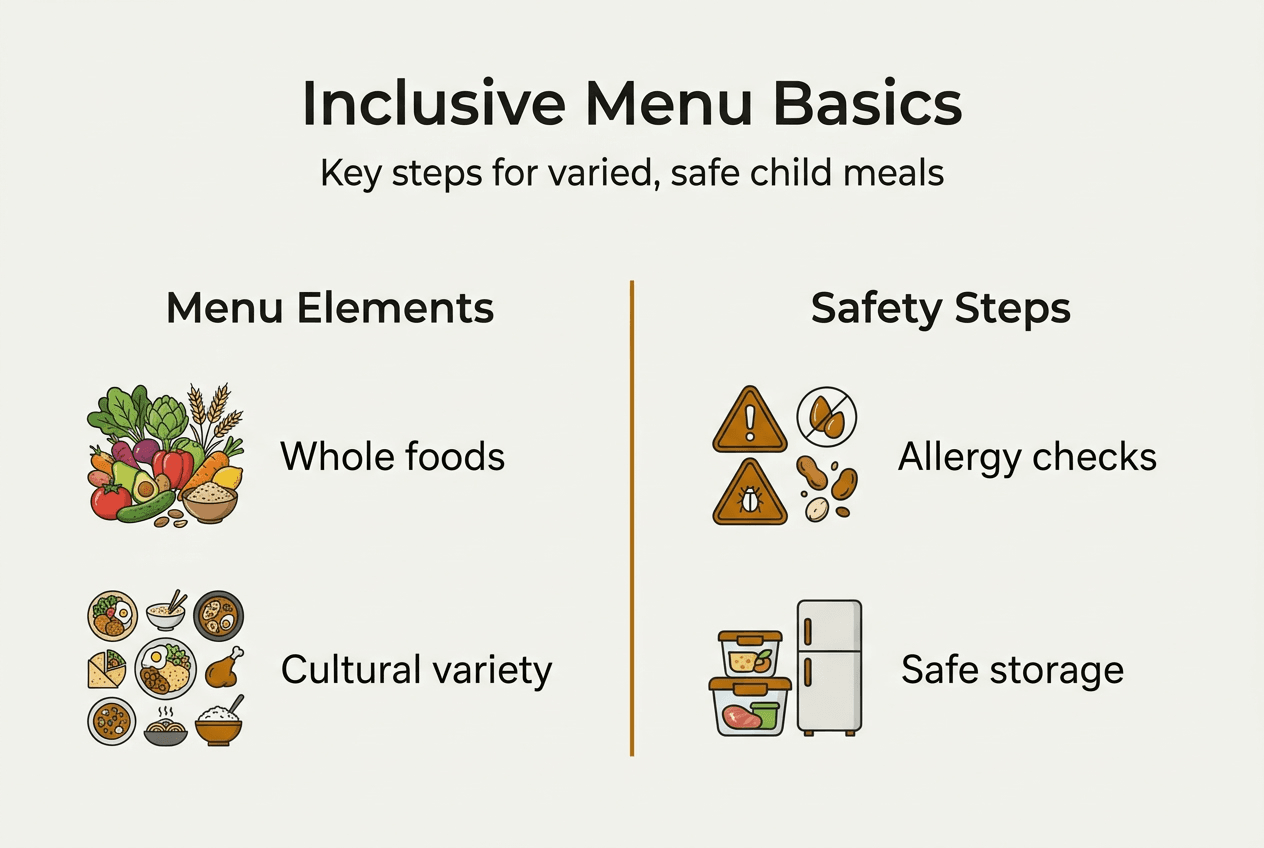
Allergy management requires systematic approaches. Not permitting outside food helps create a safer, inclusive environment for children with allergies and dietary restrictions. Whilst this policy may seem restrictive, it significantly reduces cross-contamination risks and ensures all children can participate safely in shared meals.
| Menu planning consideration | Implementation strategy | Benefit |
|---|---|---|
| Cultural diversity | Rotate traditional dishes from various cultures monthly | Builds appreciation and inclusion |
| Allergy safety | Maintain detailed ingredient lists and separate preparation areas | Prevents reactions and builds trust |
| Seasonal availability | Feature local produce at peak freshness | Reduces costs and improves flavour |
| Child preferences | Involve children in menu planning discussions | Increases acceptance and engagement |
Beverage policies deserve particular attention. Water should be accessible at all times without restriction. Limit milk to mealtimes and snacks, offering appropriate portion sizes based on age. Avoid all sugar-sweetened beverages, including sports drinks and flavoured milk.
Gradual menu improvements prove more sustainable than dramatic overhauls. Tools like the Child Care Menu Revision Tool help settings assess current offerings and identify achievable enhancements. Small changes compound over time, creating significant nutritional improvements.
Understanding school policies on allergens helps parents navigate communication with institutions. Clear dialogue about specific needs, emergency procedures, and daily practices ensures everyone works together to protect children.
Strong food safety knowledge directly benefits children’s health and wellbeing. Whether you’re a parent volunteering in classrooms or a professional caregiver, understanding proper food handling creates safer environments. Probe It Food Safety.ca offers specialised training designed specifically for Canadian contexts, ensuring your knowledge aligns with current regulations and best practices.

Our food safety courses for teachers comparison helps you identify the right programme for your needs. From basic food handling to comprehensive safety management, flexible online options fit busy schedules. Earning food handler certification Canada demonstrates your commitment to children’s safety whilst meeting regulatory requirements many institutions now mandate. Explore online food safety courses 2025 comparison to find affordable, accessible training that supports your role in protecting children’s health.
Safe, nutritious foods meet Canadian guidelines whilst avoiding choking hazards. Include protein sources like eggs and beans, whole grains such as oats and brown rice, colourful vegetables and fruits, and appropriate dairy products. Cut round foods into quarters, avoid hard candies and whole nuts for younger children, and ensure proper cooking temperatures. Review school nutrition policies Canada for detailed frameworks that guide institutional meal planning.
Communicate openly with caregivers about your child’s allergies, preferences, and any feeding challenges. Support institutional policies around outside food, even when inconvenient, as they protect all children. Encourage trying new foods at home through repeated, pressure-free exposure. Model positive eating behaviours during family meals. Explore healthy snacks for kids to understand how strategic choices support overall nutrition beyond basic hunger satisfaction.
Maintain hot foods above 60°C and cold foods below 4°C to prevent bacterial growth. Use separate cutting boards and utensils for allergen-free preparations. Wash hands thoroughly before food handling and between tasks. Store foods properly with clear labelling to prevent cross-contamination. Modify or avoid choking hazards based on children’s ages. Understanding food safety standards Canada ensures practices align with current regulatory expectations and scientific evidence.
Prohibiting outside food significantly reduces allergy risks and cross-contamination. When all food comes from controlled sources, staff can verify ingredients and preparation methods. This policy creates equity, ensuring all children eat similar foods without socioeconomic distinctions. It also prevents accidental exposure to allergens that could trigger severe reactions. Whilst initially frustrating for some families, this approach protects vulnerable children and simplifies safety management.
Responsive feeding respects children’s internal hunger and fullness signals rather than imposing external rules about portions or timing. It encourages exploration without pressure, allowing children to develop natural relationships with food. Traditional approaches often involve coercion, rewards, or restrictions that can disrupt innate regulatory abilities. Responsive methods build eating competence and autonomy, supporting healthier long-term outcomes and reducing mealtime conflicts.
Exams are stressful, and the pressure of passing may leave you feeling overwhelmed and nervous that you won’t pass, even

Food safety is essential if you want to ensure safety and establish trust with your customers. Food handlers must be

Practicing good food safety habits is paramount to maintaining a healthy kitchen. Regardless of the size of your hotel business