No products in the cart.

10 Tips for Passing Your Food Handler’s Certificate Exam
Exams are stressful, and the pressure of passing may leave you feeling overwhelmed and nervous that you won’t pass, even


Kitchen injuries are more common than most people think, and the risks do not just end with a simple cut or a minor burn. In fact, kitchen injuries account for a substantial share of all workplace accidents, highlighting just how dangerous daily meal prep can be. Most guides focus on using sharp knives carefully or watching out for spills, but absolute kitchen safety in 2025 is all about building a culture where everyone speaks up about hazards before someone gets hurt.
| Takeaway | Explanation |
| Implement comprehensive training for kitchen staff. | Training should cover equipment handling, the use of protective gear, and risk assessment to prevent injuries. |
| Establish safe workspace boundaries for children. | Create designated areas with clear restrictions for children, even under supervision, to ensure safety from hazards. |
| Invest in personal protective equipment. | Use cut-resistant gloves and non-slip footwear to reduce the risk of injury during preparation and cooking. |
| Create a culture of open communication about safety. | Foster an environment where staff can report hazards without fear, promoting continuous safety improvement. |
| Prepare for emergencies with clear protocols. | Equip kitchens with first-aid kits and ensure all staff know emergency procedures to ensure timely responses to accidents. |
Kitchen environments are complex workspaces with numerous potential hazards that can lead to serious injuries. Understanding these risks is crucial for preventing accidents and maintaining a safe workplace. Learn more about kitchen safety fundamentals.
Knives and other cutting tools pose the most significant injury risk in kitchen settings. According to the National Safety Council, lacerations account for a substantial percentage of kitchen-related injuries. Professional chefs and kitchen staff frequently work with sharp instruments under high-pressure conditions, which increases the likelihood of accidental cuts. Typical scenarios include improper knife handling, rushing during food preparation, and working with dull or improperly maintained cutting tools.
Proper knife techniques are critical. This includes maintaining a stable cutting surface, using sharp knives that require less force, and keeping fingers away from blade paths. Training programs that emphasize correct cutting methods can significantly reduce the risk of serious injuries.

Thermal injuries are another prevalent concern in kitchen environments. Hot surfaces, boiling liquids, steam, and open flames create constant burn risks. Professional kitchens typically involve multiple heat sources, including stovetops, ovens, fryers, and steam equipment. Workers can suffer burns from direct contact with hot surfaces, splashing liquids, steam releases, or accidental contact with heated equipment.
Prevention strategies include wearing appropriate protective gear, such as heat-resistant gloves, maintaining a clear workspace, and implementing strict protocols for handling hot equipment. Kitchen staff must be trained to recognize potential burn hazards and practice cautious movement in high-temperature work areas.
Kitchen floors are often exposed to liquids, grease, and food particles, creating slippery, dangerous walking surfaces. Slip and fall accidents can result in serious injuries ranging from minor bruises to significant fractures or head trauma. Factors contributing to these incidents include wet floors, unexpected spills, inadequate cleaning procedures, and improper footwear.
Effective prevention requires comprehensive floor maintenance protocols, immediate spill cleanup, non-slip floor treatments, and mandatory use of slip-resistant footwear. Regular staff training on workplace safety and maintaining clean, organized workspaces can dramatically reduce the occurrence of these potentially dangerous accidents.
By understanding and addressing these common injury causes, kitchen managers and staff can create safer working environments that protect employees from unnecessary risks.
Here is a table summarizing the main types of kitchen injuries, their common causes, and the key prevention strategies discussed above.
| Injury Type | Common Causes | Prevention Strategies |
| Cuts/Lacerations | Improper knife handling, dull blades, and rushing tasks | Use sharp knives, train staff, stabilize cutting surfaces |
| Burns/Thermal Injuries | Hot surfaces, steam, boiling liquids, open flames | Wear heat-resistant gear, organize workspace, and follow strict hot equipment protocols. |
| Slips and Falls | Wet/greasy floors, food debris, inadequate footwear | Clean spills promptly, use non-slip floors, and require slip-resistant shoes |
Ensuring kitchen safety requires a comprehensive approach that protects both professional staff and children in food preparation environments. Discover essential food safety protocols to create a secure workplace for everyone involved.
Proper training forms the foundation of kitchen safety. According to OSHA guidelines, comprehensive safety education is crucial for preventing workplace injuries. This includes detailed instruction on equipment handling, protective gear usage, and risk assessment. Staff should receive thorough training in the use of personal protective equipment, including cut-resistant gloves, non-slip footwear, and heat-resistant aprons.
For children learning kitchen skills, supervised training with age-appropriate tools and constant adult guidance is essential. Instructors must demonstrate safe techniques, explain potential risks, and gradually introduce more complex skills as children develop competence. Teaching fundamental safety principles early helps create lifelong habits that prevent accidents.
Children’s Health recommends establishing clear safety zones in kitchen environments. This involves creating designated areas where children and inexperienced staff can work safely under direct supervision. Hot surfaces, sharp utensils, and potentially dangerous equipment should be clearly marked and restricted.
Implementing physical barriers like safety gates, maintaining organized workspaces, and using colour-coded equipment can help prevent unauthorized access to high-risk areas. For professional kitchens, this might mean establishing separate preparation zones with restricted entry. In home and educational settings, creating a “kid-free zone” around stoves and hot surfaces is critical.
The California Department of Education’s Kitchen Skills Primer emphasizes the importance of emergency preparedness. Every kitchen should have clearly posted first-aid protocols, easily accessible emergency equipment such as fire extinguishers, and a comprehensive plan for handling potential injuries.
Staff and older children should be trained in basic first aid techniques specific to kitchen-related injuries. This includes understanding how to treat cuts, burns, and potential chemical exposures. Maintaining a well-stocked first aid kit, knowing how to use its contents, and having clear communication protocols during emergencies can significantly reduce the severity of potential accidents.
By combining proactive training, clear safety boundaries, and robust emergency preparedness, kitchens can become safer environments for both professional staff and children learning essential culinary skills.
Preventing kitchen injuries requires strategic investment in specialized safety equipment and protective tools. Explore professional safety gear recommendations to develop a comprehensive injury-prevention strategy.
According to OSHA guidelines, personal protective equipment forms the first line of defence against potential kitchen injuries. Cut-resistant gloves are critical for tasks involving sharp utensils, providing a protective barrier that significantly reduces the risk of lacerations. Heat-resistant gloves and aprons protect against thermal burns when handling hot cookware or working near high-temperature equipment.
Non-slip footwear represents another crucial safety component. Shoes with strong grip surfaces help prevent slip-and-fall accidents on potentially wet or greasy kitchen floors. Professional kitchens should mandate specific footwear standards that prioritize worker safety and mobility.
The University of Maine Cooperative Extension emphasizes the importance of using proper cutting tools to minimize injury risks. High-quality, well-maintained knives with ergonomic handles reduce strain and improve control during food preparation. Cutting boards with non-slip surfaces and built-in safety features help stabilize ingredients and prevent unexpected slippage.
Additional recommended tools include knife guards for safe storage, blade sharpeners to maintain optimal cutting performance, and specialized cutting mats to protect work surfaces and reduce the risk of accidents. Magnetic knife strips can also provide secure storage, keeping sharp edges out of reach.
The American Journal of Lifestyle Medicine highlights the critical role of emergency safety equipment in kitchen environments. Fire extinguishers rated explicitly for kitchen and grease fires are essential. These specialized extinguishers can quickly suppress potential cooking-related fires, preventing minor incidents from escalating into significant safety hazards.
First aid kits designed for kitchen environments should include specific supplies like burn treatment materials, sterile wound dressings, and antiseptic solutions. Automated external defibrillators (AEDs) in larger commercial kitchen settings can provide life-saving intervention during potential cardiac emergencies.
Comprehensive kitchen safety requires a multifaceted approach combining proper equipment, training, and proactive prevention strategies. By investing in high-quality safety tools and maintaining rigorous safety protocols, kitchens can significantly reduce the risk of workplace injuries.
Below is a table summarizing essential safety equipment and tools recommended in this section, along with the primary risks they help prevent.
| Equipment/Tool | Main Risk Prevented | Who Should Use |
| Cut-resistant gloves | Cuts/lacerations | All staff |
| Heat-resistant gloves/aprons | Burns/thermal injuries | Staff handling hot items |
| Non-slip footwear | Slips and falls | All staff |
| Ergonomic knives (sharp) | Cuts, strain | Food preparers |
| Non-slip cutting boards | Cuts from slippage | Food preparers |
| Fire extinguisher (kitchen type) | Fires | All staff |
| First aid kit (kitchen-specific) | Untreated injuries | All staff/children |
| AED (large kitchens) | Cardiac emergencies | Staff (trained) |
Building a safety-first culture in shared kitchen environments requires strategic planning, consistent communication, and collective commitment from all participants. Learn about effective safety meeting strategies to establish robust safety practices.
According to research published in the National Center for Biotechnology Information, a positive safety culture is fundamentally driven by leadership’s visible commitment to safety standards. In shared kitchens, this means establishing clear expectations, demonstrating safety protocols through personal example, and creating an environment where every individual feels responsible for maintaining a safe workspace.
Leadership must actively communicate safety expectations, provide comprehensive training, and create systems that encourage open dialogue about potential risks. This approach transforms safety from a set of rules into a collective mindset where every participant understands their role in preventing accidents.
Effective safety cultures rely on transparent communication channels. The NCBI research emphasizes that organizations with strong safety cultures empower staff to report risks and errors without fear of retribution. In shared kitchen environments, this means creating structured reporting systems that allow users to report potential hazards anonymously, suggest improvements, and share safety concerns.
Implementing regular safety briefings, maintaining visible incident report forms, and establishing clear escalation protocols can help create an environment of trust and continuous improvement. Digital platforms or suggestion boxes can provide additional avenues for communication, ensuring that safety remains an ongoing conversation.
The USDA’s Food Safety Research Project highlights the importance of tailored training programs in establishing a robust safety culture. In shared kitchens, this means developing comprehensive onboarding processes that go beyond basic instructions and incorporate interactive learning experiences that help participants understand the rationale behind safety protocols.
Training should be dynamic and responsive, adapting to the diverse backgrounds and skill levels of kitchen users. This might include multilingual resources, visual guides, hands-on workshops, and periodic refresher courses that keep safety knowledge current. By treating safety education as an ongoing journey rather than a one-time event, shared kitchens can cultivate a proactive approach to risk management.
Creating a safety-first culture is not about imposing rigid rules, but about fostering a collective mindset in which every individual recognizes their role in maintaining a secure and supportive kitchen environment. Through consistent leadership, open communication, and comprehensive training, shared kitchens can transform safety from a requirement into a shared value.
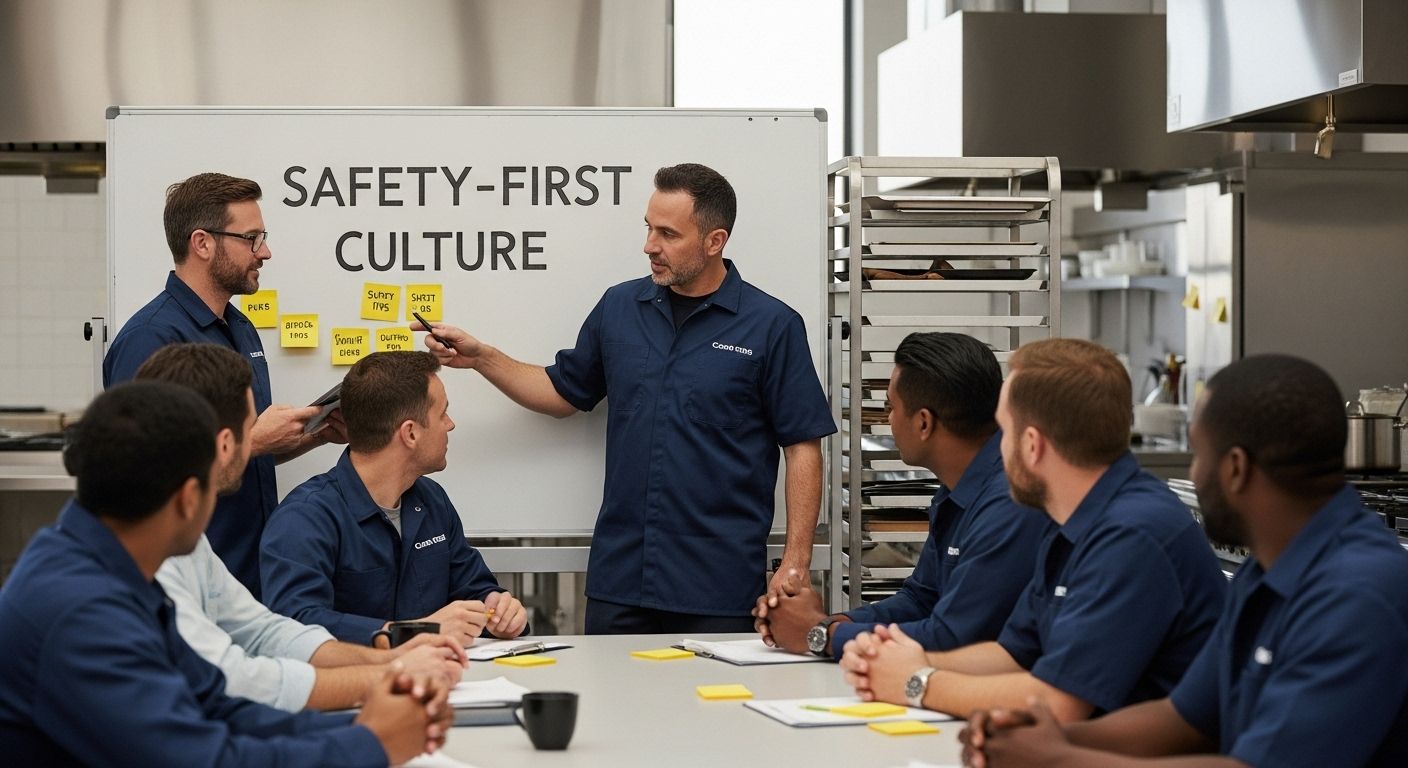
Sharp-object accidents, thermal burns from hot surfaces or liquids, and slip-and-fall accidents on wet or greasy floors are common causes of kitchen injuries.
To prevent cuts and lacerations, use sharp knives that require less force, maintain stable cutting surfaces, and provide thorough training in proper knife-handling techniques.
Essential protective equipment includes cut-resistant gloves, heat-resistant gloves and aprons, and non-slip footwear. These items help reduce the risk of injuries while cooking and preparing food.
Creating a safety-first culture involves establishing clear safety expectations, encouraging open communication about hazards, and providing comprehensive training for all users to ensure a safe cooking environment.
Preventing kitchen injuries does not have to be overwhelming. The risks described in this article—cuts, burns, and dangerous slips—are real problems for every kitchen, whether you are running a business or teaching children to cook. Most accidents occur due to a lack of safety knowledge or rushed procedures. You want peace of mind knowing your staff, family, or students recognize hazards, use protection, and learn how to respond in an emergency. Training is essential for building this safety-first culture.

Prove you take kitchen safety seriously and meet all regulatory requirements by starting with accredited courses from Probe It Food Safety.ca. Developed by Canadian public health professionals, our food handler certification and safety training programs are available online 24/7 with quick certification. Give your team or household the tools to stay injury-free. Please take the next step to a safer kitchen today by exploring our Food Handler Certification and related programs. Your certification can start right now—don’t wait until after an accident.
Exams are stressful, and the pressure of passing may leave you feeling overwhelmed and nervous that you won’t pass, even

Food safety is essential if you want to ensure safety and establish trust with your customers. Food handlers must be

Practicing good food safety habits is paramount to maintaining a healthy kitchen. Regardless of the size of your hotel business