No products in the cart.

10 Tips for Passing Your Food Handler’s Certificate Exam
Exams are stressful, and the pressure of passing may leave you feeling overwhelmed and nervous that you won’t pass, even


Over 60 percent of Canadian diners say unique restaurant merchandise influences where they choose to eat. Merchandising is more than colourful displays or branded t-shirts—it shapes first impressions, sparks impulse buys, and even extends a restaurant’s brand beyond the dining room. Understanding the art and science behind restaurant merchandising helps Canadian owners boost revenue, deepen customer loyalty, and turn every meal into a memorable experience.
| Point | Details |
| Effective Restaurant Merchandising | Utilizes visual design and strategic placement to enhance customer experience and drive sales. |
| Diverse Merchandise Types | Includes apparel, culinary products, and experiential items that extend brand presence and create revenue opportunities. |
| Psychological Triggers in Merchandising | Employs design techniques and sensory engagement to influence customer purchasing behaviour and increase impulse buys. |
| Regulatory Compliance | Adherence to Canadian safety and labelling regulations is crucial in maintaining consumer trust and legal protection. |
Restaurant merchandising represents a strategic approach restaurants use to visually promote products, optimize sales, and enhance customer experience through deliberate presentation and marketing techniques. This multifaceted discipline goes far beyond simple product displays, integrating design, psychology, and business strategy to influence dining choices.
At its core, restaurant merchandising involves carefully planned methods for showcasing menu items and creating visual narratives that entice customers and drive purchasing decisions. Restaurant marketing strategies often leverage visual design principles to highlight specific dishes, suggest meal combinations, and create compelling sensory experiences that transform standard menu interactions into memorable culinary journeys.
Key components of effective restaurant merchandising include:
Menu Design: Strategically arranging menu items to guide customer attention
Product Placement: Positioning high-margin or signature dishes prominently
Visual Storytelling: Using images, graphics, and descriptive language to create emotional connections
Promotional Displays: Creating themed presentations that highlight seasonal or special offerings
Successful restaurant merchandising requires understanding consumer psychology and translating that knowledge into tangible visual experiences. By thoughtfully curating how food is presented, restaurants can significantly influence customer perception, increase average order value, and create more engaging dining environments that encourage repeat visits.
Restaurant merchandise encompasses a diverse range of products beyond traditional food offerings, offering opportunities for brand engagement and additional revenue streams. Restaurants can leverage various merchandise types to create lasting connections with their customer base and reinforce their brand identity.
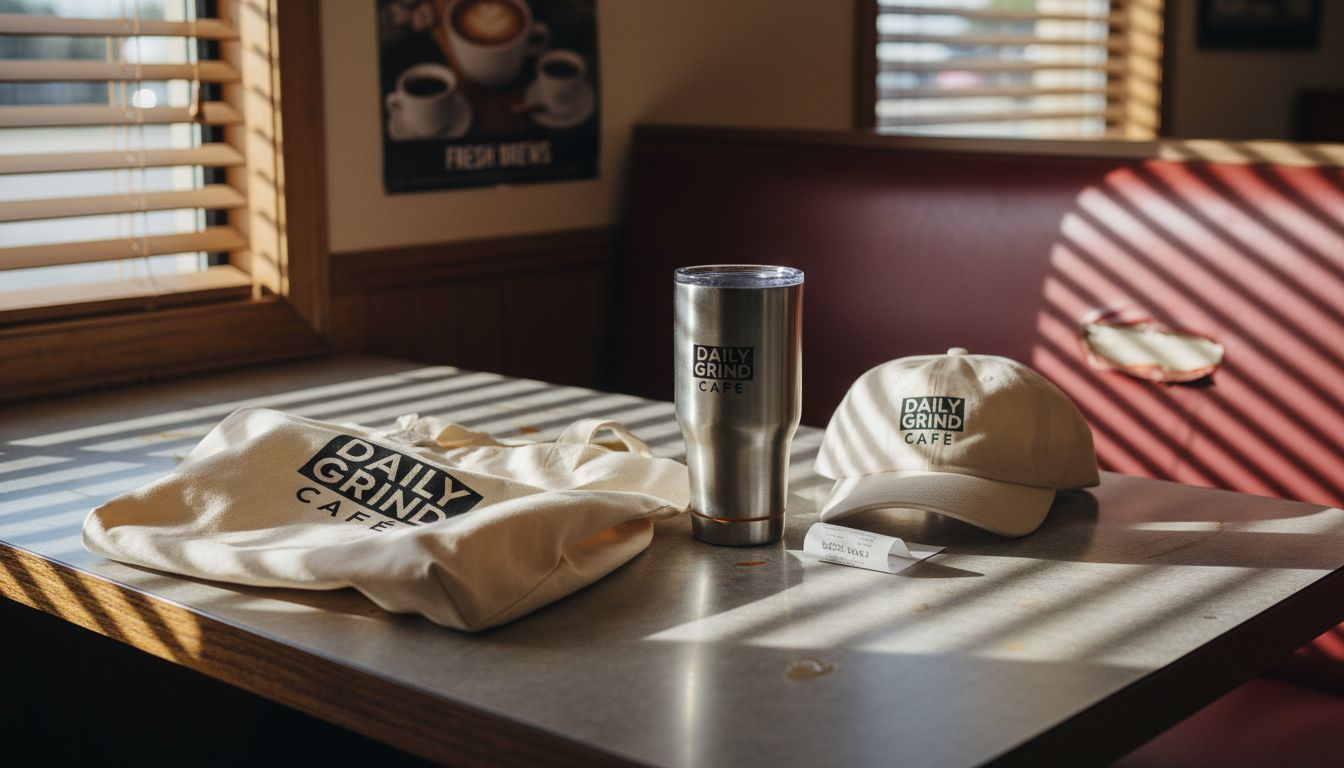
Physical merchandise categories typically include branded items designed to enhance customer loyalty and generate supplemental income—ranging from practical kitchenware to wearable promotional products that turn customers into walking brand ambassadors.
Key merchandise types for restaurants include:
Apparel and Accessories
Custom t-shirts
Branded caps and hats
Aprons and chef jackets
Tote bags and backpacks
Culinary Products
Signature sauces
Packaged spice blends
Cooking marinades
Pre-prepared meal kits
Kitchen and Dining Accessories
Branded cutting boards
Restaurant logo mugs
Specialty glassware
Cooking utensils
Digital and Experiential Merchandise
Gift cards
Cooking class vouchers
Exclusive event invitations
Loyalty program memberships
Thoughtful merchandise selection allows restaurants to create tangible brand extensions that generate additional revenue while deepening customer relationships. By offering high-quality, relevant products, restaurants transform simple transactions into memorable brand experiences that encourage repeat business and word-of-mouth marketing.
Visual merchandising plays a crucial role in restaurant marketing, strategically employing design techniques to capture customer attention and stimulate purchasing decisions. Effective display methods leverage psychological triggers that transform casual browsing into intentional buying experiences.
Restaurants can create powerful impulse triggers through carefully orchestrated visual environments. These strategies involve understanding customer movement patterns, sensory engagement, and strategic product positioning that subtly guide dining choices. Colour psychology, strategic lighting, and thoughtful spatial arrangements become powerful tools for influencing customer behaviour without feeling manipulative.
Key impulse trigger techniques include:
Strategic Product Placement
Highlighting high-margin items
Positioning premium dishes at eye level
Creating visually appealing food arrangements
Using contrasting colours to draw attention
Sensory Engagement Methods
Incorporating appetizing food photography
Using ambient lighting to enhance dish presentation
Creating inviting aroma zones
Designing open kitchen concepts
Psychological Positioning Strategies
Using menu design to guide customer choices
Creating limited-time offer displays
Implementing social proof through customer recommendations
Showcasing the chef’s extraordinary selections
Successful impulse marketing transforms restaurant spaces into dynamic environments that speak directly to customer desires. By understanding and implementing these nuanced display methods, restaurants can create immersive experiences that not only attract attention but also drive meaningful engagement and increased sales.
Restaurant merchandising requires strict adherence to Canadian safety and labelling regulations that protect consumer interests and ensure product transparency. Food labelling standards mandate comprehensive guidelines for restaurants selling prepackaged or branded merchandise, with specific requirements for information presentation and safety compliance.
Restaurants must navigate complex regulatory landscapes that govern product packaging, safety information, and consumer protection. Packaging and labelling requirements extend beyond food items to include promotional merchandise, demanding meticulous attention to detail in product design and information disclosure. WHMIS safety standards play a critical role in ensuring workplace and consumer safety for any branded products or materials.
Key regulatory compliance areas include:
Packaging Regulations
Bilingual labelling requirements
Clear ingredient declarations
Nutritional information
Allergen warnings
Country of origin disclosure
Safety Information Requirements
Workplace hazard symbols
Handling instructions
Storage guidelines
Potential risk notifications
Safety data sheet availability
Consumer Protection Standards
Accurate product descriptions
Price transparency
Quality assurance statements
Return and exchange policies
Warranty information
Compliance with these regulatory frameworks is not optional; it is a fundamental responsibility for restaurants. By understanding and implementing comprehensive safety and labelling standards, restaurants protect their legal position while building consumer trust through transparent, responsible merchandising practices.
Restaurant merchandising represents a strategic investment with complex financial implications that extend far beyond simple product sales. Effective merchandising programs can transform restaurants from mere dining establishments into comprehensive brand experiences that generate multiple revenue streams and enhance customer loyalty.
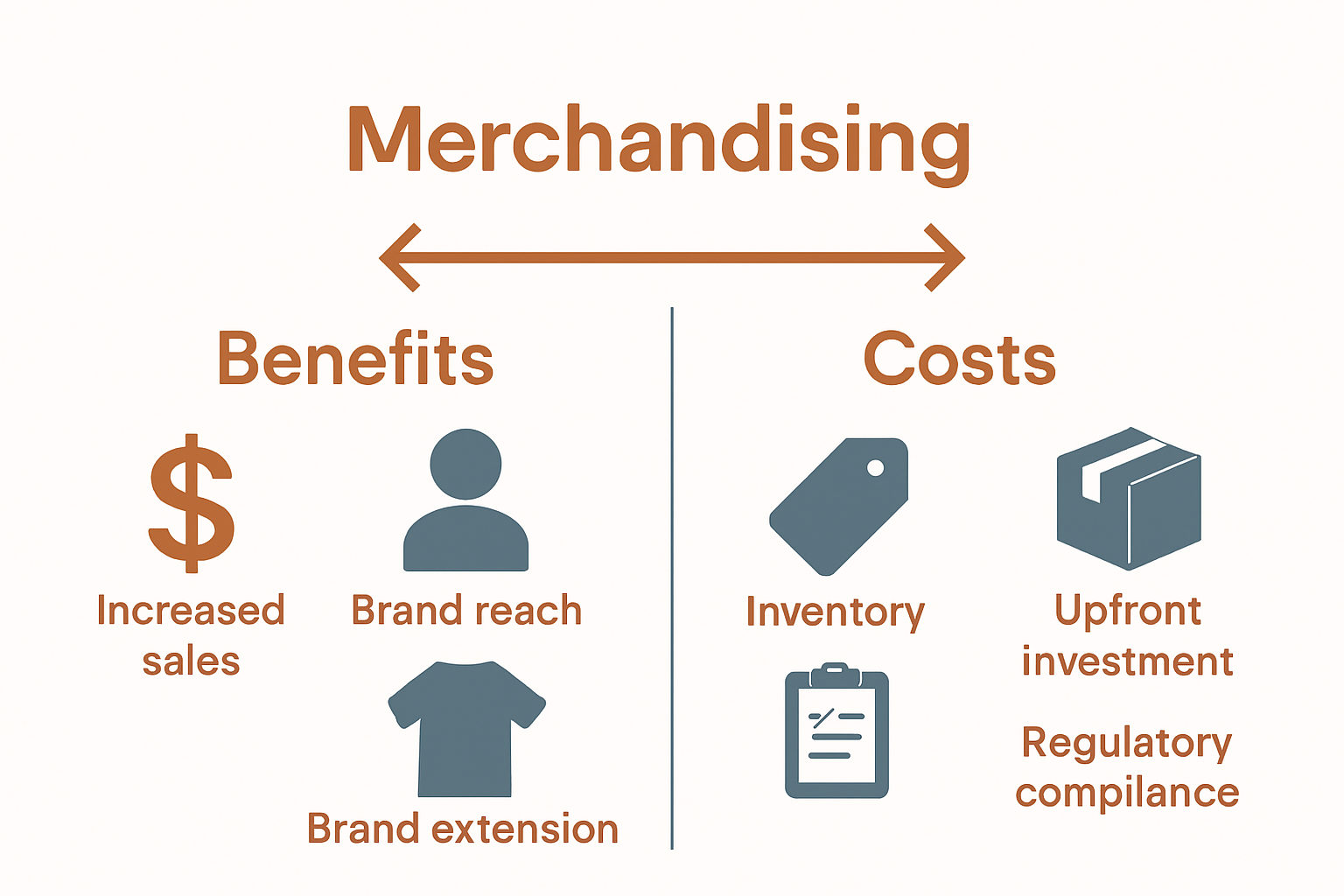
The financial calculus of merchandising involves carefully weighing potential returns against initial and ongoing investments. Strategic merchandise development requires upfront costs in product design, production, and marketing, but can yield significant long-term benefits through brand recognition, customer engagement, and additional revenue channels. Restaurants must approach merchandising as a calculated business strategy that balances immediate expenses with projected growth potential.
Key financial considerations include:
Revenue Generation Opportunities
Direct product sales income
Enhanced brand visibility
Increased customer retention
Potential wholesale merchandise opportunities
Supplementary income streams
Initial Investment Costs
Product design expenses
Prototype development
Initial production runs
Packaging design
Marketing and promotional materials
Ongoing Operational Expenses
Inventory management
Storage and logistics
Quality control processes
Regular product line updates
Marketing and distribution
Successful restaurant merchandising transforms traditional business models by creating holistic brand experiences. While the initial investment can seem substantial, restaurants that strategically develop and manage their merchandise can unlock significant financial potential, turning branded products into powerful tools for customer engagement and revenue diversification.
Merchandising in restaurants involves navigating complex regulations and safety requirements while creating appealing product displays that boost customer engagement and sales. The challenge lies in meeting the stringent Canadian packaging and labelling standards as well as workplace safety rules like WHMIS. Without proper training, your business risks noncompliance issues that can harm your reputation and bottom line.

Take control of your restaurant’s merchandising success by mastering essential food safety and compliance skills with Probe It Food Safety.ca, access government-accredited training, including Food Handler Certification and WHMIS courses, designed by public health experts. Our flexible, self-paced online training is available 24/7 and provides instant certification on completion. Visit Probe It Food Safety.ca now to safeguard your business, enhance operational safety, and confidently create attractive merchandising that meets all regulatory requirements.
Merchandising in restaurants involves visual strategies to promote menu items, enhance the customer experience, and optimize sales through effective presentation and marketing.
Restaurants can offer a variety of physical merchandise, including apparel such as custom t-shirts and hats, culinary products like signature sauces and spice blends, kitchen accessories like branded cutting boards, and digital products like gift cards and cooking class vouchers.
Visual merchandising influences customer purchases by employing strategies like strategic product placement, sensory engagement through appealing food photography, and psychological positioning to guide customer choices and create an inviting atmosphere that encourages spending.
Key regulatory requirements for restaurant merchandising include clear packaging regulations, safety information disclosures, and consumer protection standards, such as bilingual labelling, ingredient declarations, and allergen warnings, to ensure compliance and protect consumers.
Exams are stressful, and the pressure of passing may leave you feeling overwhelmed and nervous that you won’t pass, even

Food safety is essential if you want to ensure safety and establish trust with your customers. Food handlers must be

Practicing good food safety habits is paramount to maintaining a healthy kitchen. Regardless of the size of your hotel business