No products in the cart.

10 Tips for Passing Your Food Handler’s Certificate Exam
Exams are stressful, and the pressure of passing may leave you feeling overwhelmed and nervous that you won’t pass, even


More than 4 million cases of foodborne illness are reported in Canada each year, making food safety a top concern for Canadian families and businesses. The ability to trace a product’s journey from farm to plate is a powerful tool in addressing contamination risks, supporting quick recalls, and building trust in what we eat. Understanding how food traceability works gives everyone in the Canadian food chain a clear advantage in terms of safety, compliance, and confidence.
| Point | Details |
| Importance of Food Traceability | Food traceability is vital for tracking food products through the supply chain to ensure safety, quality, and consumer protection. |
| Regulatory Compliance | Canadian laws require comprehensive documentation and tracking to maintain accountability and protect public health. |
| Technological Integration | Advanced digital systems such as barcodes and RFID enhance traceability efficiency and enable real-time monitoring. |
| Risk Management | Implementing robust traceability protocols mitigates risks of contamination and improves response times during food safety incidents. |
Food traceability is a comprehensive system that tracks and monitors food products throughout every stage of the supply chain. At its core, food traceability enables businesses and regulatory bodies to identify the precise journey of a food item from its origin to the consumer’s plate. This systematic approach involves meticulously recording product movements, transformations, and interactions across production, processing, and distribution stages.
The fundamental goal of traceability is to enhance food safety, quality control, and consumer protection. By establishing clear links between products and supply chain participants, organizations can quickly identify and respond to potential issues such as contamination, product recalls, or quality concerns. Key elements of an effective traceability system include detailed product identification, comprehensive movement tracking, and robust information management protocols that connect each product to its specific production and distribution history.
Implementing a robust traceability framework involves multiple critical components. These typically include unique product identifiers, batch or lot number tracking, timestamp recordings of product movements, and comprehensive documentation of each supply chain interaction. Food businesses must develop systems that can rapidly trace a product’s entire lifecycle, enabling swift investigations during food recalls and alerts and ensuring consumer safety. This approach not only protects public health but also builds trust with consumers by demonstrating transparency and commitment to quality standards.
The significance of food traceability extends beyond immediate safety concerns. It plays a crucial role in regulatory compliance, quality assurance, and maintaining the integrity of Canada’s food supply chain. By implementing sophisticated tracking mechanisms, food producers, processors, and distributors can quickly isolate potential problems, minimize risk, and protect both consumer health and business reputation.
Canadian food businesses employ diverse traceability systems designed to meet complex regulatory requirements and ensure comprehensive product tracking. Legal requirements for food safety drive the implementation of sophisticated tracking mechanisms, ranging from traditional paper-based documentation to advanced digital technologies. These systems typically follow the ‘one step back—one step forward’ approach, enabling businesses to document product movements through each stage of the supply chain.
Traditional traceability methods include paper-based record-keeping systems that rely on detailed documentation such as invoices, bills of lading, and purchase orders. More advanced systems leverage technological solutions such as barcodes, radio-frequency identification (RFID) tags, and specialized software to provide real-time tracking capabilities. These digital platforms enable food producers, processors, and distributors to create comprehensive electronic records that can be quickly accessed and analyzed during quality control or recall investigations.
The complexity of traceability systems varies across different sectors of the food industry. Some sectors, such as meat processing and dairy production, require more rigorous tracking protocols due to heightened food safety concerns. These systems often integrate multiple technologies, combining physical product identifiers with digital tracking platforms that can trace a product’s entire lifecycle. By implementing robust food safety protocols, Canadian businesses can quickly isolate potential contamination sources, minimize health risks, and demonstrate compliance with national food safety standards.
Modern traceability systems go beyond simple record-keeping, functioning as strategic tools for risk management and operational efficiency. They provide businesses with valuable insights into supply chain dynamics, helping to identify inefficiencies, reduce waste, and improve overall product quality. As technological capabilities continue to evolve, Canadian food businesses are increasingly adopting integrated traceability solutions that offer comprehensive, real-time monitoring of food products from farm to fork.
Food traceability operates through a systematic approach that requires meticulous documentation and tracking of product movements. Food handler training plays a crucial role in ensuring that employees understand and implement effective traceability protocols. Under the Safe Food for Canadians Regulations, businesses must maintain comprehensive records that document each product’s journey, tracking ingredients and products one step back to suppliers and one step forward to customers.
The practical implementation of traceability involves multiple critical steps. Businesses must create unique product identifiers, such as lot numbers or batch codes, which allow for precise tracking throughout the supply chain. Every transaction must be carefully documented, including detailed information about product origin, processing locations, transportation routes, and final destinations. This requires employees to consistently and accurately record movement information, timestamps, and product transformations.

Technological solutions have significantly enhanced traceability practices, enabling more sophisticated tracking mechanisms. Digital platforms now allow real-time monitoring of product movements, with advanced systems integrating barcode scanning, RFID, and cloud-based tracking databases. These technologies enable businesses to quickly investigate potential food safety issues, conduct targeted recalls, and provide transparent information about product origins. By implementing robust tracking systems, food businesses can respond rapidly to potential foodborne illness concerns and demonstrate their commitment to consumer safety.
The ultimate goal of practical traceability is to create a transparent and accountable food supply chain. This involves not just recording information, but creating a comprehensive system that can quickly trace a product’s entire lifecycle. From agricultural production to final consumer delivery, each step must be meticulously documented, enabling businesses to quickly identify and address potential quality or safety concerns, ultimately protecting public health and maintaining consumer trust.
Canadian food traceability is governed by comprehensive food safety laws that establish rigorous standards for businesses across the food supply chain. The Safe Food for Canadians Regulations mandate specific requirements for importers, exporters, manufacturers, and distributors to ensure product safety and accountability. These regulations require businesses to maintain detailed documentation that tracks food products through every stage of production and distribution, thereby creating a transparent, traceable food system.
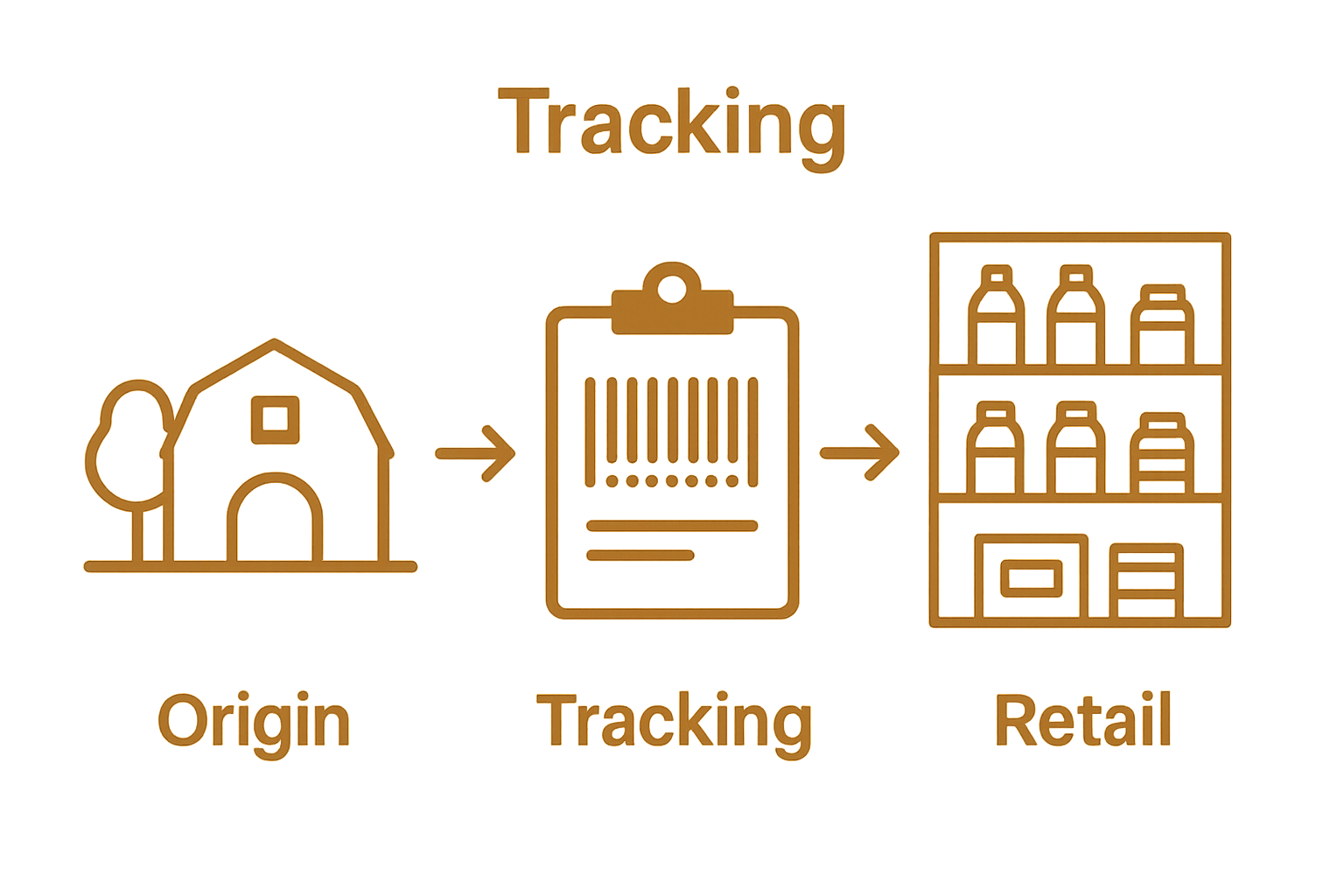
The Canadian Food Inspection Agency (CFIA) specifies critical documentation requirements for food traceability. Businesses must create product identifiers that include common product names, manufacturer details, and unique lot codes. These identifiers enable precise tracking of food products, ensuring that each item can be traced back to its immediate supplier and forward to its immediate customer. The documentation must include comprehensive transaction records, including the transfer dates, product quantities, and specific identifying information.
Comprehensive food safety guidelines outline the specific record-keeping protocols that businesses must follow. These guidelines require organizations to maintain records for a minimum prescribed period, typically 2 years, to enable thorough investigations in the event of potential food safety incidents. The regulations apply to a wide range of food businesses, including restaurants, food processors, importers, exporters, and agricultural producers, creating a standardized approach to food traceability across different sectors of the Canadian food industry.
The ultimate objective of these legal requirements is to protect public health by establishing a robust system for tracking and investigating potential food safety concerns. Through mandatory food safety inspection protocols and comprehensive documentation requirements, the Canadian government ensures that food businesses can respond quickly to possible contamination issues, conduct targeted recalls, and maintain the highest standards of food safety and consumer protection.
Food traceability systems present complex challenges that require strategic management and proactive risk mitigation. Online food safety certificate programs in Canada highlight the critical importance of understanding the potential risks associated with inadequate traceability protocols. The primary risks include product contamination, delayed recall responses, compromised consumer safety, and possible legal and financial consequences for businesses that fail to maintain comprehensive tracking systems.
Common issues in food traceability often stem from inconsistent record-keeping, inadequate employee training, and technological limitations. Businesses may struggle to maintain accurate documentation, track product movements across complex supply chains, and ensure real-time data integrity. These challenges can create significant vulnerabilities, including the inability to quickly isolate potential contamination sources, trace product origins, or conduct targeted recalls effectively.
To mitigate these risks, organizations must implement robust compliance best practices. Foodsafe Level 1 Online training emphasizes the importance of developing comprehensive traceability protocols that include detailed record-keeping, regular staff training, and advanced tracking technologies. Best practices involve creating standardized documentation processes, implementing digital tracking systems, conducting regular internal audits, and establishing clear communication protocols for tracking product movements across the entire supply chain.
The ultimate goal of addressing traceability risks is to protect consumer health, maintain business reputation, and ensure regulatory compliance. Safe food-handling certificate programs underscore the critical importance of developing a proactive approach to food safety. Businesses must view traceability not as a regulatory burden, but as a strategic approach to risk management that ultimately protects consumers, supports operational efficiency, and demonstrates a commitment to maintaining the highest standards of food safety and quality.
Food traceability is essential for protecting consumer health and ensuring regulatory compliance in Canada. Challenges such as inconsistent record-keeping and inadequate employee training create risks related to product contamination and recall effectiveness. The terms “unique product identifiers,” “comprehensive documentation,” and “food safety protocols” are more than just jargon. They represent the building blocks that food businesses must master to establish transparent, accountable supply chains.
Take control of your food safety responsibilities today by enrolling in expert-led, government-accredited programs at Probe It Food Safety.ca. Our flexible, self-paced courses, such as the Food Handler Certification and relevant training, support your implementation of world-class traceability systems. Act now to gain instant certification that helps you comply with Canadian food safety laws while protecting your customers and your business reputation. Visit Probe It Food Safety.ca to start your journey towards safer, more innovative food-handling practices.
Food traceability is a system that tracks and monitors food products throughout the supply chain, from origin to consumer, ensuring safety and quality control.
Food traceability enhances food safety, enables quick responses to contamination issues, ensures regulatory compliance, and builds consumer trust through transparency.
Essential components include unique product identifiers, batch tracking, timestamp documentation, and comprehensive records of product movement throughout the supply chain.
Legal requirements mandate businesses to maintain detailed documentation of food products at all stages of production, ensuring safety, accountability, and compliance with national food safety standards.
Exams are stressful, and the pressure of passing may leave you feeling overwhelmed and nervous that you won’t pass, even

Food safety is essential if you want to ensure safety and establish trust with your customers. Food handlers must be

Practicing good food safety habits is paramount to maintaining a healthy kitchen. Regardless of the size of your hotel business