No products in the cart.

10 Tips for Passing Your Food Handler’s Certificate Exam
Exams are stressful, and the pressure of passing may leave you feeling overwhelmed and nervous that you won’t pass, even


Every Canadian kitchen tells a story of long hours, quick movements, and daily physical demands. Yet many overlook how kitchen design directly affects comfort and safety, despite research showing that over 30 percent of workplace injuries in food service are linked to poor ergonomics. Understanding ergonomics in kitchen spaces goes far beyond looks—it is about protecting health, preventing strain, and ensuring that every Canadian food handler can work efficiently and pain-free.
| Point | Details |
|---|---|
| Understanding Ergonomics | Ergonomics in kitchens focuses on designing workspaces that reduce strain and enhance efficiency for workers. Implementing ergonomic principles is vital for promoting worker comfort and productivity. |
| Identifying Ergonomic Risks | Common hazards in kitchens include repetitive motions, awkward postures, and static positions, which can lead to musculoskeletal disorders. Proactive identification and management of these risks are essential for worker health. |
| Designing for Efficiency | Strategic kitchen design should minimise unnecessary movements and support natural workflows, improving both productivity and safety. Creating defined workflow zones helps streamline tasks and reduces cross-contamination risks. |
| Legal Compliance | Canadian employers must adhere to ergonomic regulations, conducting risk assessments and implementing preventive measures to ensure workplace safety. Regular training and documentation are key to maintaining compliance and protecting worker health. |
Ergonomics represents a scientific approach to designing work environments that prioritize human physical capabilities and limitations. In kitchen settings, ergonomics focuses on creating spaces and workflows that minimise physical strain and maximise efficiency for food handlers and culinary professionals. Kitchen design fundamentals emphasize adapting workspaces to human needs rather than forcing workers to adapt to unsuitable environments.
The core principle of kitchen ergonomics involves understanding how human body mechanics interact with workspace design. This means strategically positioning equipment, workstations, and tools to reduce unnecessary movements, prevent repetitive stress injuries, and create smoother workflow patterns. By analysing the physical demands of cooking tasks, ergonomic experts can recommend modifications that significantly reduce workplace fatigue and potential musculoskeletal disorders.
Key ergonomic considerations in kitchen design include workstation height, tool placement, movement patterns, and equipment accessibility. Modern kitchen design evolution demonstrates how carefully planned spatial arrangements can transform culinary workspaces from potentially hazardous environments into efficient, worker-friendly zones. Professionals in food preparation settings can benefit tremendously from understanding and implementing ergonomic principles that prioritise both worker comfort and productivity.
Kitchens present numerous ergonomic challenges that can significantly impact worker health and safety. Occupational hazards in kitchen environments reveal complex physical risks that food handlers encounter daily. These hazards range from repetitive motions to prolonged standing positions, which can lead to serious musculoskeletal disorders if not properly addressed.
Three primary ergonomic risk categories dominate kitchen workspaces. Repetitive motion injuries occur from consistent, repeated actions like chopping, stirring, or lifting. Awkward postures develop when workers twist, bend, or reach in unnatural positions to complete tasks. Static positioning happens during extended periods of standing or maintaining the same body stance, which can cause significant physical strain. These risk factors often compound, creating cumulative stress on a worker’s body.
Kitchen safety research highlights specific physical challenges that food service professionals face. Common ergonomic issues include wrist strain from knife work, lower back stress from improper lifting techniques, and shoulder tension from poorly designed workstations. Workers might experience symptoms like persistent muscle fatigue, joint pain, reduced mobility, and decreased overall work performance. Understanding these risks allows kitchen managers and food handlers to implement targeted interventions that protect worker health and maintain workplace productivity.
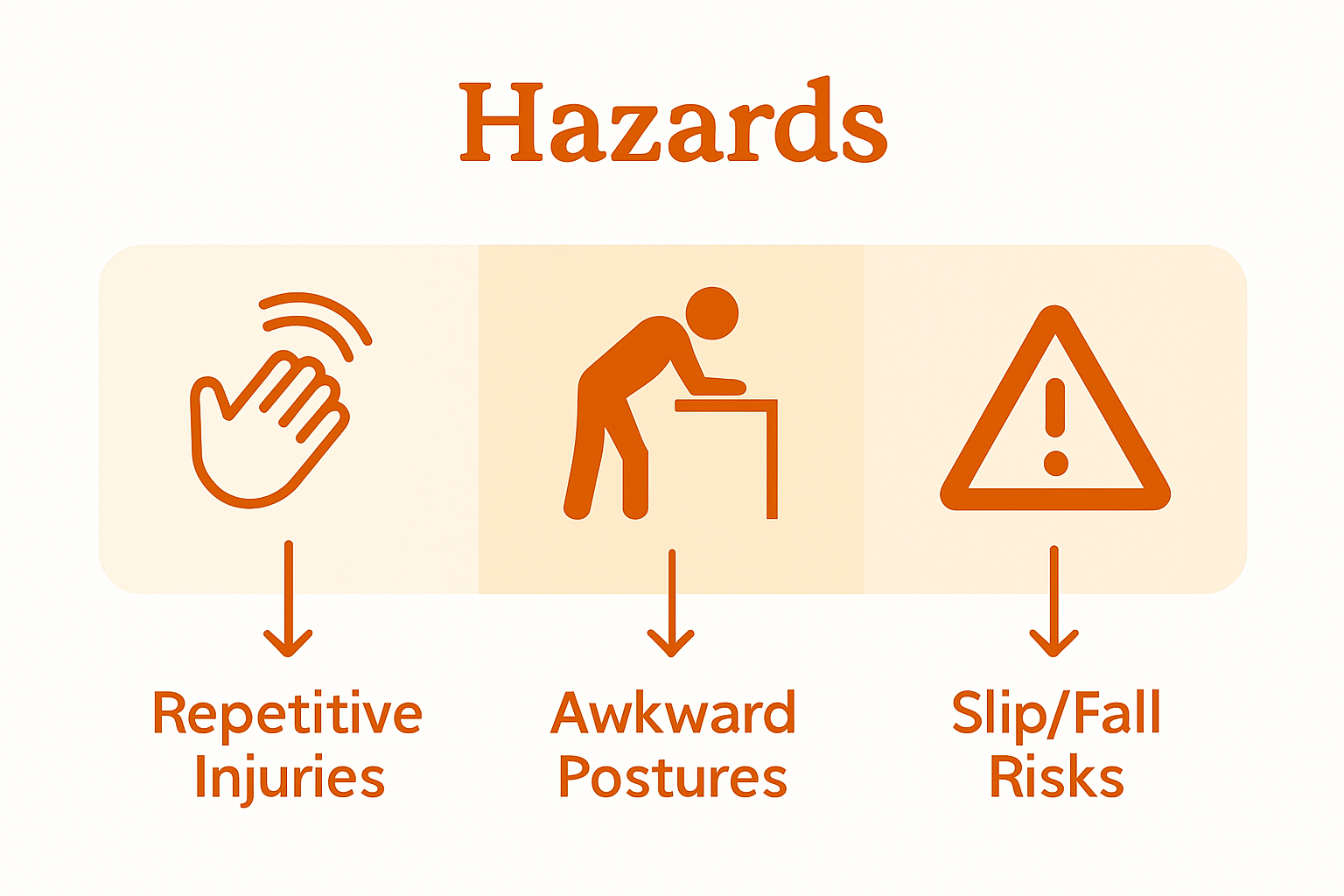
Recognizing these ergonomic hazards requires a proactive approach. Workers should learn to identify early warning signs of physical strain, such as persistent discomfort, reduced range of motion, or sudden sharp pains during routine tasks. Implementing regular movement breaks, using ergonomically designed tools, and creating workstations that accommodate different body types can significantly mitigate these risks. Training programs that educate staff about proper body mechanics and workplace design can transform kitchens from potential injury zones into safe, efficient work environments.
Efficient kitchen design requires strategic planning that minimises unnecessary movement and maximises productivity. The kitchen work triangle concept provides a foundational approach to creating logical workspace arrangements, traditionally positioning the sink, refrigerator, and cooking areas to create optimal movement patterns. This principle helps reduce physical strain and improves overall kitchen functionality.
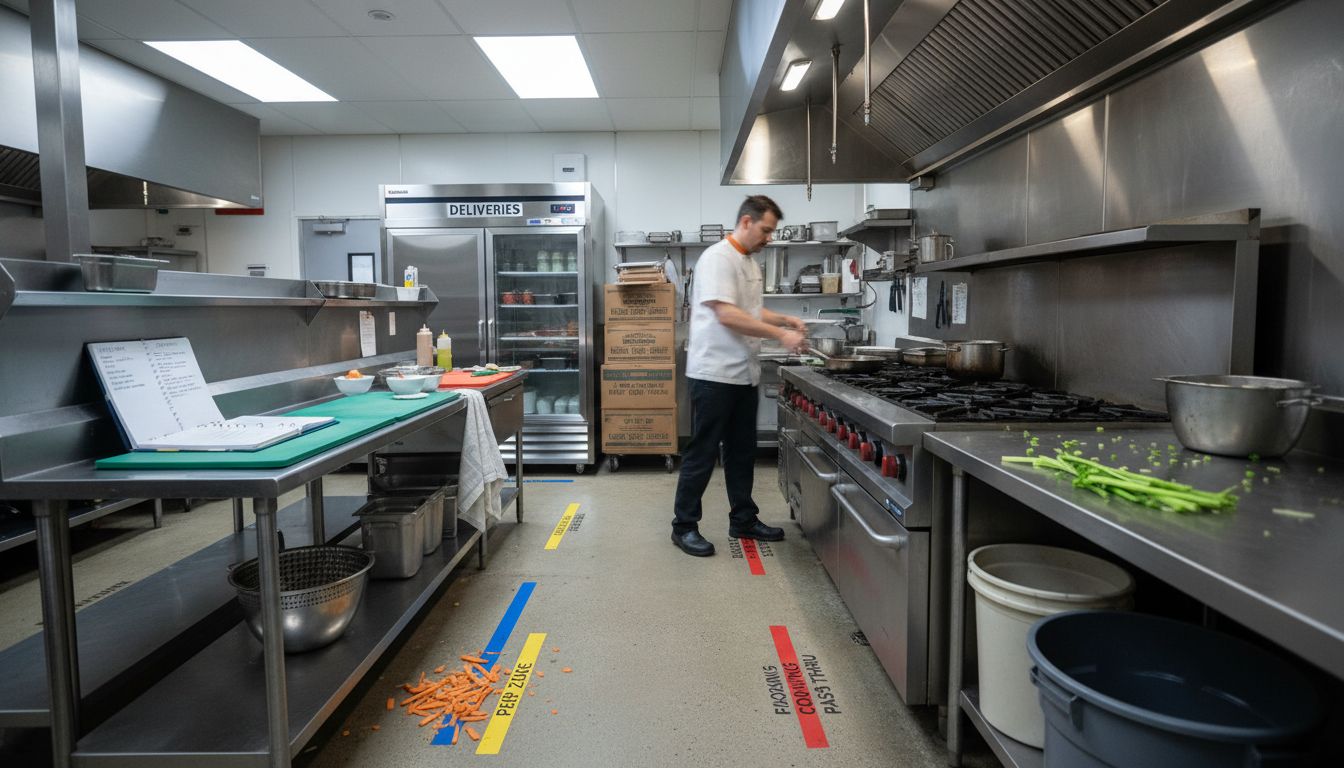
Ergonomic workflow zones are more than just equipment placement; they represent a comprehensive approach to workspace design. Primary workstations should be arranged to support natural body movements, reducing unnecessary twisting, reaching, or stretching. This might involve creating dedicated preparation areas with appropriate counter heights, strategically placing frequently used equipment within easy reach, and ensuring sufficient space between different working zones to prevent congestion and potential accidents.
Research on kitchen hygiene practices underscores the critical connection between workflow design and food safety. Efficient zones not only improve worker comfort but also reduce cross-contamination risks by creating clear pathways and minimising unnecessary interactions between different food preparation areas. Professionals should consider implementing dedicated zones for specific tasks such as raw ingredient preparation, cooking, plating, and cleaning, each designed with precise ergonomic considerations.
Implementing effective workflow zones requires a holistic understanding of kitchen dynamics. Consider factors like individual worker height, typical task sequences, equipment dimensions, and potential movement patterns. Adjustable workstations, mobile preparation surfaces, and modular design elements can provide flexibility, allowing kitchens to adapt to different staff members and changing operational needs. By prioritising ergonomic principles in workflow design, kitchen managers can create environments that simultaneously promote worker well-being, operational efficiency, and food safety standards.
Ergonomic assessment criteria emphasize the critical importance of matching workstation design to individual worker characteristics. Proper workstation height and reach are fundamental to preventing musculoskeletal injuries and reducing physical strain in kitchen environments. These considerations go beyond simple comfort, directly impacting worker health, productivity, and long-term physical well-being.
Workstation optimization requires a nuanced understanding of body mechanics and individual variations. Ideal working heights typically range between elbow and waist level, minimizing unnecessary bending or stretching. Different tasks demand specific height considerations: chopping and preparation areas should be slightly lower, while tasks requiring precision might require slightly elevated surfaces. Adjustable workstations provide the most versatile solution, accommodating workers of various heights and physical capabilities.
Workplace ergonomics research highlights several key strategies for optimizing reach and workstation configuration. Professionals should focus on minimizing extended reaches, reducing repetitive movements, and creating workspace layouts that support natural body positioning. This might involve implementing techniques like:
Implementing these ergonomic principles requires a comprehensive approach that considers individual worker needs, specific kitchen tasks, and potential physical variations. Kitchen managers should conduct regular assessments, provide training on proper body mechanics, and invest in adaptable equipment that supports worker health. By prioritizing workstation optimization, food service professionals can create environments that simultaneously enhance safety, comfort, and operational efficiency.
Ergonomic hazard identification guidelines represent a crucial framework for Canadian employers to maintain workplace safety and meet legal requirements. The Canadian occupational health and safety regulations mandate that businesses proactively assess and mitigate potential ergonomic risks in their work environments, with particular emphasis on industries involving physical labour like food service and hospitality.
Canadian employers have specific legal obligations regarding workplace ergonomics. These responsibilities include conducting comprehensive risk assessments, implementing preventive measures, and providing appropriate training to employees. The core legal requirements focus on identifying potential musculoskeletal injury risks, developing strategic intervention plans, and maintaining documentation that demonstrates ongoing commitment to worker safety. Failure to comply can result in significant financial penalties, potential workplace compensation claims, and potential operational disruptions.
Workplace ergonomics compliance involves several critical components that businesses must address. Key legal compliance strategies include:
Navigating legal compliance requires a proactive and systematic approach. Kitchen managers and business owners should collaborate with occupational health professionals, stay updated on current regulations, and develop robust internal policies that exceed minimum legal requirements. By treating ergonomic compliance as an ongoing process rather than a static checklist, organisations can create safer, more productive work environments while protecting themselves from potential legal challenges and worker compensation claims.
Participatory ergonomic interventions demonstrate remarkable potential for reducing physical strain and preventing workplace injuries in kitchen environments. These proactive strategies go beyond traditional safety measures, engaging workers directly in identifying and mitigating potential health risks. By empowering kitchen staff to recognize and address ergonomic challenges, organisations can create a collaborative approach to workplace safety that significantly reduces the likelihood of musculoskeletal injuries.
Prevention requires a multifaceted approach targeting both physical and psychological aspects of kitchen work. Injury prevention strategies should encompass comprehensive training, equipment modification, and systemic workplace design. This holistic method includes educating staff about proper body mechanics, providing ergonomically designed tools, implementing regular movement breaks, and creating workspaces that naturally support healthy movement patterns. Understanding individual physical limitations and developing personalised adaptation strategies becomes crucial in minimising potential injury risks.
Safety best practices for culinary professionals highlight several key intervention techniques. Critical prevention methods include:
Successful injury prevention transcends individual tactics and requires a cultural shift towards prioritising worker health. Kitchen managers must foster an environment that values physical well-being, encourages open communication about potential risks, and provides ongoing education and support. Preventing injuries in kitchens involves creating a proactive ecosystem where safety is not just a requirement but a shared organisational commitment. By integrating these comprehensive strategies, culinary professionals can significantly reduce workplace injury risks while maintaining high performance and job satisfaction.
Many kitchen professionals face the challenge of managing physically demanding tasks that can lead to musculoskeletal injuries and workplace strain. This article highlights key ergonomic concerns such as repetitive motion injuries, awkward postures, and static positioning that affect cooks daily. Addressing these challenges requires not only ergonomic workspace design but also comprehensive knowledge of food safety and workplace best practices to create a truly safe and efficient kitchen.

Take control of your kitchen environment today by building critical skills with Probe It Food Safety.ca. Our government-accredited online courses provide flexible, self-paced training that empowers you to master food safety, workplace hazard awareness, and injury prevention methods essential for ergonomic risk reduction. Explore how completing Food Handler Certification and related programs can support your commitment to comfort, productivity, and compliance. Don’t wait to protect your health and improve your workplace—visit Probe It Food Safety.ca now and start your training instantly.
Ergonomics in kitchen design is the scientific approach to creating workspaces that prioritize human comfort and functionality. It involves designing work environments that reduce physical strain and enhance efficiency for food handlers and culinary professionals.
To reduce repetitive motion injuries, it’s essential to optimize workstation design by positioning frequently used tools within easy reach, using ergonomically designed equipment, and taking regular movement breaks to prevent strain from repetitive tasks.
Common ergonomic hazards in kitchens include repetitive motion injuries from tasks like chopping and stirring, awkward postures from twisting or bending, and static positioning from prolonged standing. These can lead to musculoskeletal disorders if not addressed properly.
Proper workstation heights can significantly impact cooking safety and comfort. Ideal heights minimize unnecessary bending and stretching, helping prevent injuries. Adjustable workstations are recommended to accommodate different workers’ heights and tasks effectively.
Exams are stressful, and the pressure of passing may leave you feeling overwhelmed and nervous that you won’t pass, even

Food safety is essential if you want to ensure safety and establish trust with your customers. Food handlers must be

Practicing good food safety habits is paramount to maintaining a healthy kitchen. Regardless of the size of your hotel business