No products in the cart.

10 Tips for Passing Your Food Handler’s Certificate Exam
Exams are stressful, and the pressure of passing may leave you feeling overwhelmed and nervous that you won’t pass, even


Food allergies are not just inconvenient. They impact the daily lives of millions across Canada. That sounds overwhelming, right? Schools, restaurants, and even daycare centers are on high alert because just one exposure can trigger a severe reaction. But here is what surprises most people. Over 90 percent of reported food allergies in Canada come from just a small group of foods. This tiny list shapes national food safety laws and has huge effects on how we share meals, label products, and protect each other.
| Takeaway | Explanation |
| Understand common allergens | Know that milk, nuts, eggs, and other foods are the most common allergens in Canada. |
| Read food labels carefully | Always check for priority allergens to avoid accidental exposure. |
| Develop emergency protocols | Prepare for allergic reactions with clear response plans and ready access to medication. |
| Prioritize allergen training | Ensure food service staff are trained to recognize and manage allergens. |
| Communicate dietary needs | Clearly express food restrictions to caregivers and providers for safety. |
Food allergens represent substances in food that can trigger adverse immune system reactions in sensitive individuals. In Canada, health authorities have identified a specific set of priority food allergens that pose significant risks to public health. Understanding food allergies requires recognizing which foods commonly cause allergic responses.
A food allergen is a protein within a food that can cause an abnormal immune system response when consumed. When someone with a food allergy encounters these proteins, their body mistakenly identifies them as harmful, triggering defensive mechanisms that can range from mild symptoms to potentially life-threatening reactions. Canadian regulations require clear labelling of these substances to protect vulnerable individuals.
Canada recognizes several key food allergens that account for the majority of allergic reactions. These priority allergens include:
Milk and dairy products
Eggs
Peanuts
Tree nuts (almonds, walnuts, cashews)
Fish
Shellfish
Soy
Wheat
Sesame seeds
Mustard
These foods represent approximately 90% of all documented food allergies in Canada.
To clarify the top food allergens recognized in Canada, the following table lists each priority allergen along with typical examples and brief notes on prevalence or risk.
| Priority Allergen | Common Examples | Notes on Prevalence/Risk |
| Milk and dairy | Milk, cheese, yogurt | Common in processed foods and recipes |
| Eggs | Whole eggs, baked goods | Widespread in both raw and cooked form |
| Peanuts | Peanut butter, snacks | High risk for severe reactions |
| Tree nuts | Almonds, walnuts, cashews | Included in many mixed foods |
| Fish | Salmon, tuna, cod | Consists of both fresh and processed fish |
| Shellfish | Shrimp, crab, lobster | Often, a hazard in seafood dishes |
| Soy | Tofu, soy milk, soy sauce | Used in processed foods and baked goods |
| Wheat | Bread, pasta, baked goods | Primary ingredient in many staples |
| Sesame seeds | Bagels, tahini, and seasoning | Growing prevalence, often overlooked |
| Mustard | Mustard seed, dressing | A common ingredient in condiments |
 Individuals with allergies must carefully read food labels and be aware of potential cross-contamination risks. Food allergy training Canada can help food service professionals understand these critical safety protocols.
Food allergies are not just individual health concerns but significant public health issues. Reactions can range from mild skin irritations to anaphylaxis, a severe response that can potentially be fatal. Schools, restaurants, and public spaces increasingly recognize the importance of allergen awareness and management to protect vulnerable populations.
Food allergens represent a critical public health concern that extends far beyond individual dietary restrictions. The potential for severe and life-threatening reactions makes understanding and managing these substances a paramount safety priority for communities across Canada.
Allergic reactions can range from mild discomfort to potentially fatal anaphylaxis. When someone with a food allergy encounters an allergen, their immune system can trigger an overwhelming response that may include:
Rapid swelling of the throat
Difficulty breathing
Sudden drop in blood pressure
Potential loss of consciousness
These extreme reactions underscore why food allergen management is not just a personal health issue but a critical safety protocol in public spaces such as schools, restaurants, and workplaces.
Canadian food safety regulations mandate comprehensive allergen disclosure. Allergen control food service practices are essential for protecting vulnerable populations. Businesses must clearly label products, prevent cross-contamination, and train staff about potential risks. The legal implications of failing to manage allergens can be severe, including potential lawsuits and significant financial penalties.
According to Health Canada research, approximately 7% of Canadians report having a food allergy. This statistic translates to millions of individuals who rely on proper food labelling and allergen management for their personal safety. Effective allergen awareness is not just about avoiding individual ingredients but creating a comprehensive safety ecosystem that protects everyone’s right to safe nutrition.
Food allergies represent complex immune system responses that can dramatically impact an individual’s quality of life, health, and daily interactions. Understanding these personal experiences provides critical insight into the challenges faced by those managing food allergies.
When an individual encounters a food allergen, their immune system can trigger a range of physiological responses. Allergic reactions are not uniform and can vary significantly in severity and symptoms, which may include:
Immediate skin reactions like hives or itching
Swelling of lips, tongue, or throat
Respiratory difficulties
Gastrointestinal distress
Potential anaphylactic shock
These reactions can occur within minutes of exposure, making vigilance and rapid response crucial for personal safety.
Beyond physical symptoms, food allergies create substantial psychological challenges. Individuals must constantly navigate social situations, dining experiences, and public spaces with heightened awareness. Food allergy awareness becomes not just a health strategy but a comprehensive lifestyle management approach. The ongoing stress of potential accidental exposure can lead to anxiety, social isolation, and reduced spontaneity in daily activities.
According to Health Canada research, managing food allergies requires a multifaceted approach. Individuals must develop sophisticated risk management skills, including:
Meticulous food label reading
Communicating dietary restrictions clearly
Carrying emergency medication like epinephrine auto-injectors
Developing comprehensive emergency response plans
These strategies are essential for maintaining personal safety and navigating a world where potential allergen exposure is always a possibility.
Food allergen labelling in Canada is a critical safety mechanism that protects individuals with food allergies from potential health risks. These comprehensive regulations ensure consumers receive clear, transparent information about possible allergens in food products.
Health Canada mandates strict labelling requirements for prepackaged foods. Manufacturers must explicitly declare all priority allergens on product packaging, with regulations covering both intentional ingredients and potential cross-contamination risks. These requirements are legally binding and apply to all food products sold within Canadian markets.
The following table outlines key components of Canada’s allergen labelling requirements, summarizing disclosure types, what’s required, and their purpose for consumer protection.
| Requirement Type | What Must Be Declared | Purpose |
| Direct ingredient list | All priority allergens | Informs consumers of explicit allergen content |
| Trace allergen warnings | Potential cross-contamination risks | Alerts of inadvertent exposure |
| Allergen source labelling | Clearly specify allergen origins (e.g. milk, eggs) | Ensures clarity to prevent confusion |
| Full ingredient breakdown | Comprehensive list of sub-ingredients | Allows thorough review for hidden allergens |
The mandatory disclosure includes:
Direct ingredient listings
Potential trace allergen warnings
Clear identification of allergen sources
Comprehensive ingredient breakdown
Canadian regulations require the identification of 11 specific priority allergens, including common substances such as milk, eggs, peanuts, tree nuts, fish, shellfish, soy, wheat, sesame seeds, sulphites, and mustard. Understanding WHMIS compliance can provide additional context for comprehensive product safety protocols.
According to research published in the Canadian Food Inspection Agency guidelines, these labelling requirements serve multiple crucial purposes:
Enabling informed consumer choices
Preventing accidental allergen exposure
Establishing clear industry accountability
Protecting vulnerable population health
These regulations represent a proactive approach to public health, recognizing that transparent food labelling can literally save lives by providing critical information to individuals managing food allergies.
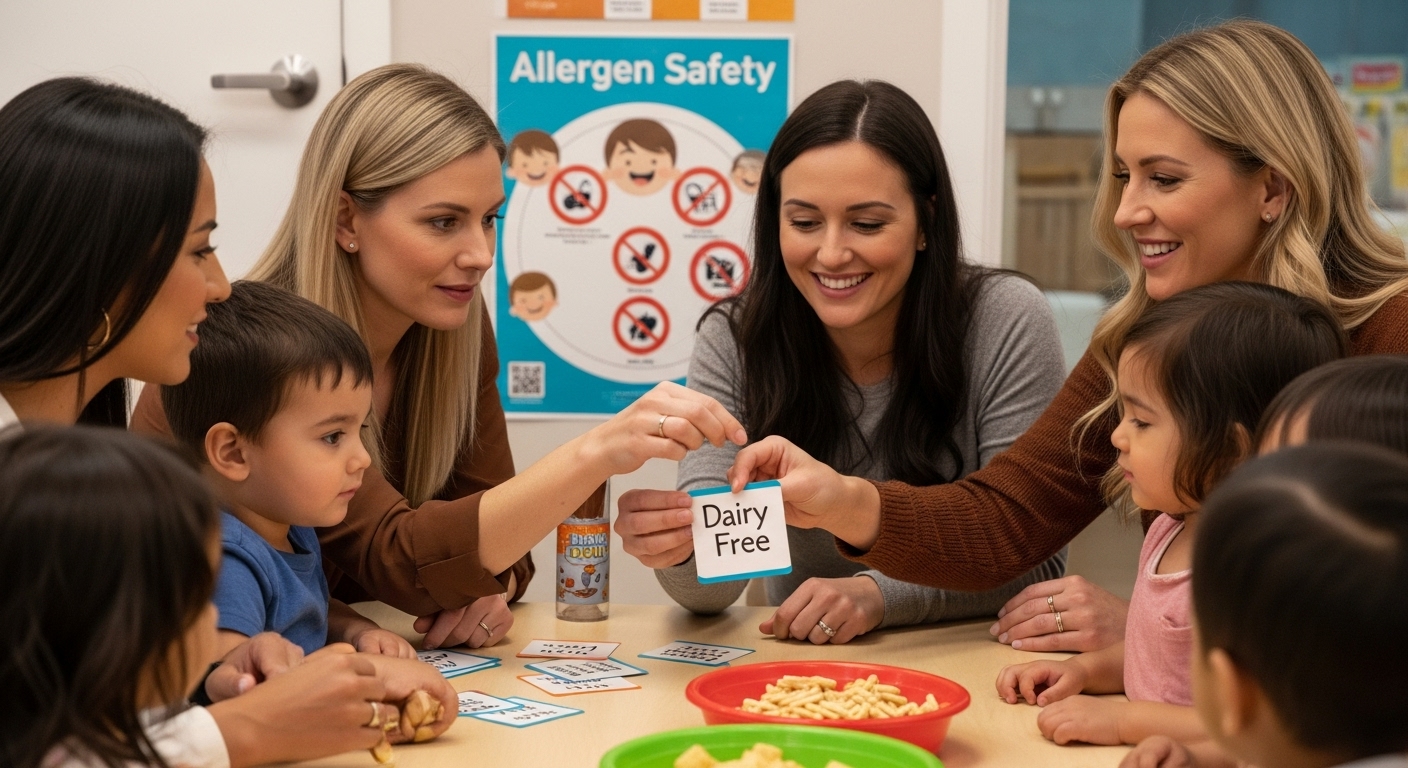
Managing food allergies in hospitality and childcare settings requires comprehensive strategies that prioritize safety, communication, and proactive risk management. These environments demand heightened awareness and systematic approaches to protect vulnerable individuals from potential allergic reactions.
Comprehensive allergen management is crucial in settings where multiple children or guests consume food simultaneously. Providers must implement robust protocols that minimize cross-contamination risks and ensure individual dietary safety. This involves creating detailed systems that track and accommodate diverse nutritional requirements.
Key prevention strategies include:
Maintaining separate food preparation areas
Using dedicated cooking equipment
Implementing strict cleaning protocols
Training staff on allergen recognition
Developing individualized safety plans
Effective communication represents the cornerstone of allergen safety. Food safety practices require meticulous documentation and transparent information sharing between staff, parents, and caregivers. Providers must establish clear channels for reporting and managing potential allergen exposure risks.
According to Health Canada research, emergency preparedness is critical in managing potential allergic reactions. Rapid response capabilities can mean the difference between a minor incident and a life-threatening situation. Providers should:
Maintain updated emergency contact information
Keep epinephrine auto-injectors readily accessible
Train staff in emergency response protocols
Develop clear escalation procedures
Conduct regular allergy management drills
These comprehensive strategies demonstrate a commitment to creating safe, inclusive environments that protect individuals with food allergies while maintaining high standards of care and professional responsibility.
If you are concerned about hidden allergens and the serious risks they pose, you are not alone. The article has shown that mislabeling and a lack of training can put lives at stake, especially for children and customers with allergies. Whether you operate a daycare, a restaurant, or any business that serves food, the challenge is clear. You need trusted ways to ensure everyone on your team understands Canada’s allergen labelling requirements and emergency protocols.

Get peace of mind and meet strict Canadian standards right now. Join thousands of responsible Canadians who rely on Probe It Food Safety.ca for food safety courses and up-to-date WHMIS compliance training. Public health experts create our online, government-accredited courses and offer instant certification so you can protect your staff, your business, and your clients today. Start learning at Probe It Food Safety.ca and create a safer future for everyone.
The most common food allergens include milk, eggs, peanuts, tree nuts (such as almonds and walnuts), fish, shellfish, soy, wheat, sesame seeds, and mustard. These allergens account for approximately 90% of all documented food allergies.
To manage a food allergy in social situations, communicate your dietary restrictions clearly, read food labels meticulously, and always be prepared with emergency medication, such as an epinephrine auto-injector. It’s also helpful to inform the host or restaurant staff about your allergy to ensure safe meal options.
If you experience an allergic reaction, it’s essential to act quickly. For mild symptoms, antihistamines may help, but for severe reactions, such as difficulty breathing or throat swelling, use an epinephrine auto-injector immediately and seek emergency medical help.
In Canada, food labels must clearly declare priority allergens, including intentional ingredients and potential cross-contamination risks. This includes direct ingredient listings, allergen warnings, and comprehensive ingredient breakdowns to ensure consumer safety.
Exams are stressful, and the pressure of passing may leave you feeling overwhelmed and nervous that you won’t pass, even

Food safety is essential if you want to ensure safety and establish trust with your customers. Food handlers must be

Practicing good food safety habits is paramount to maintaining a healthy kitchen. Regardless of the size of your hotel business