No products in the cart.

10 Tips for Passing Your Food Handler’s Certificate Exam
Exams are stressful, and the pressure of passing may leave you feeling overwhelmed and nervous that you won’t pass, even


Every year in Canada, unsafe food causes an estimated 4 million cases of illness linked to microscopic threats hiding in everyday meals. Biological hazards such as bacteria, viruses, and parasites travel unnoticed from kitchens to tables and can trigger serious health problems. Understanding how these invisible dangers enter food, along with learning effective prevention steps, is vital for anyone responsible for preparing or serving meals safely.
| Point | Details |
|---|---|
| Understanding Biological Hazards | Biological hazards are microorganisms that can cause foodborne illnesses, including bacteria, viruses, and parasites from various sources. |
| Key Pathogens to Monitor | Critical pathogens like Salmonella, E. coli, and Listeria require close attention during food handling to prevent contamination. |
| Importance of Training | Proper food handler certification provides essential knowledge for identifying and managing biological hazards effectively. |
| Preventive Practices | Implementing temperature control, stock rotation, and strict hygiene practices are essential for managing biological hazards in food operations. |
Biological hazards represent microscopic threats that can transform seemingly safe food into potential health risks. According to Canada Food Inspection Agency, these hazards include microorganisms like bacteria, viruses, parasites, fungi, and molds capable of causing serious foodborne illnesses.
These microorganisms aren’t just abstract concepts – they’re real biological agents that can contaminate food through multiple pathways. Biological hazards can emerge from diverse sources including:
Specific dangerous pathogens demand serious attention. As documented by British Columbia Government, critical biological hazards include notorious microorganisms like Salmonella, E. coli, Listeria, and Campylobacter. These organisms can rapidly multiply under improper food handling conditions, transforming seemingly safe ingredients into potential health threats.
Understanding biological hazards is crucial for anyone involved in food preparation. Professionals working in restaurants, catering, healthcare, and food service must recognize these microscopic risks. Proper training through a food handler certification online can provide comprehensive insights into identifying, preventing, and managing these biological risks effectively.
Biological hazards represent a complex network of microscopic organisms that can pose significant health risks in food environments. According to Manitoba Government, these hazards encompass a wide range of dangerous microorganisms, including bacteria, viruses, and parasites that can contaminate food and cause serious illnesses.
The primary categories of biological hazards include:
Understanding the sources of these hazards is crucial for effective prevention. As highlighted by Canadian Centre for Occupational Health and Safety, biological hazards can emerge from multiple environments, including workplaces, homes, and schools. Common contamination sources include:
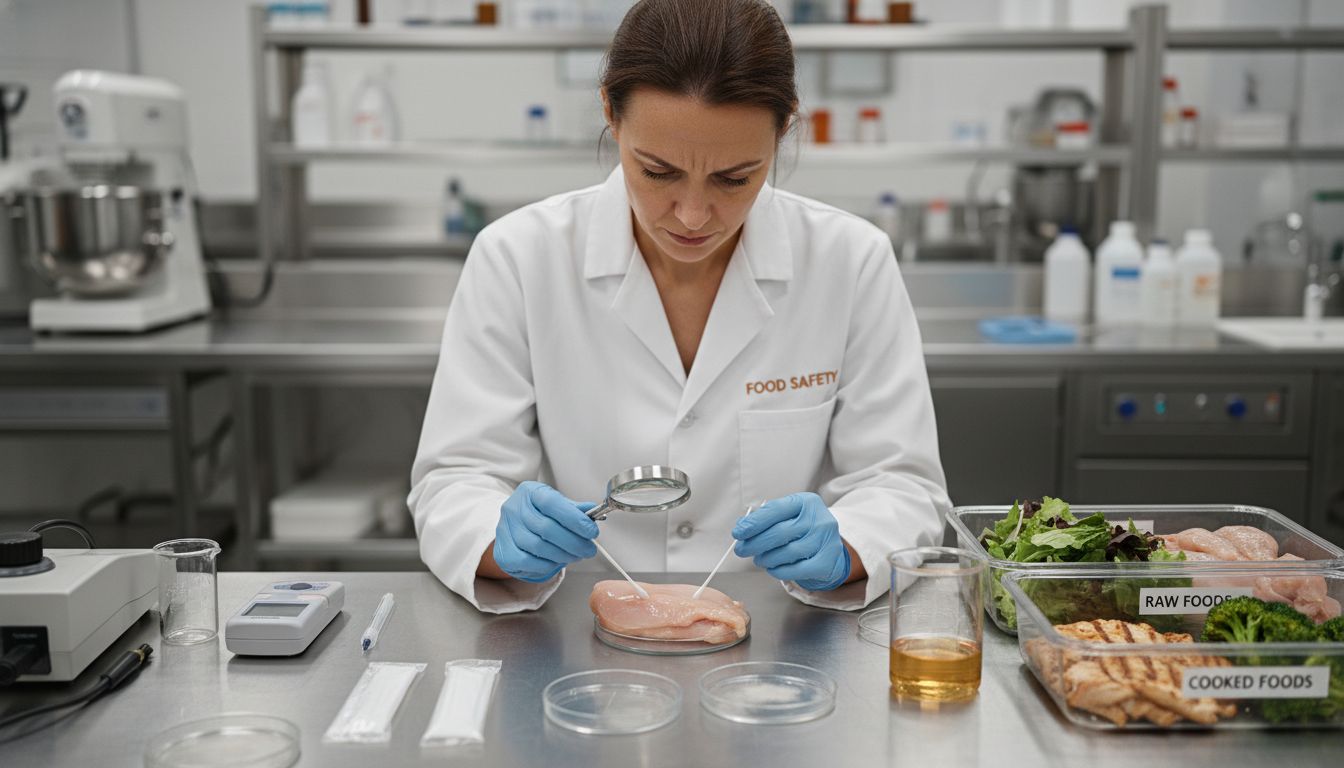
Professionals in food handling must be vigilant about these risks. Obtaining a health department food safety certification can provide comprehensive training to identify, manage, and mitigate these biological hazards effectively, ensuring the safety of food preparation processes and protecting public health.
Biological hazards transform seemingly safe food into potential health risks through complex contamination mechanisms. According to Centers for Medicare & Medicaid Services, foodborne illnesses occur primarily through ingesting pathogenic microorganisms present in contaminated food, with critical factors including food composition, acidity levels, and storage conditions.
Key factors contributing to foodborne illness transmission include:
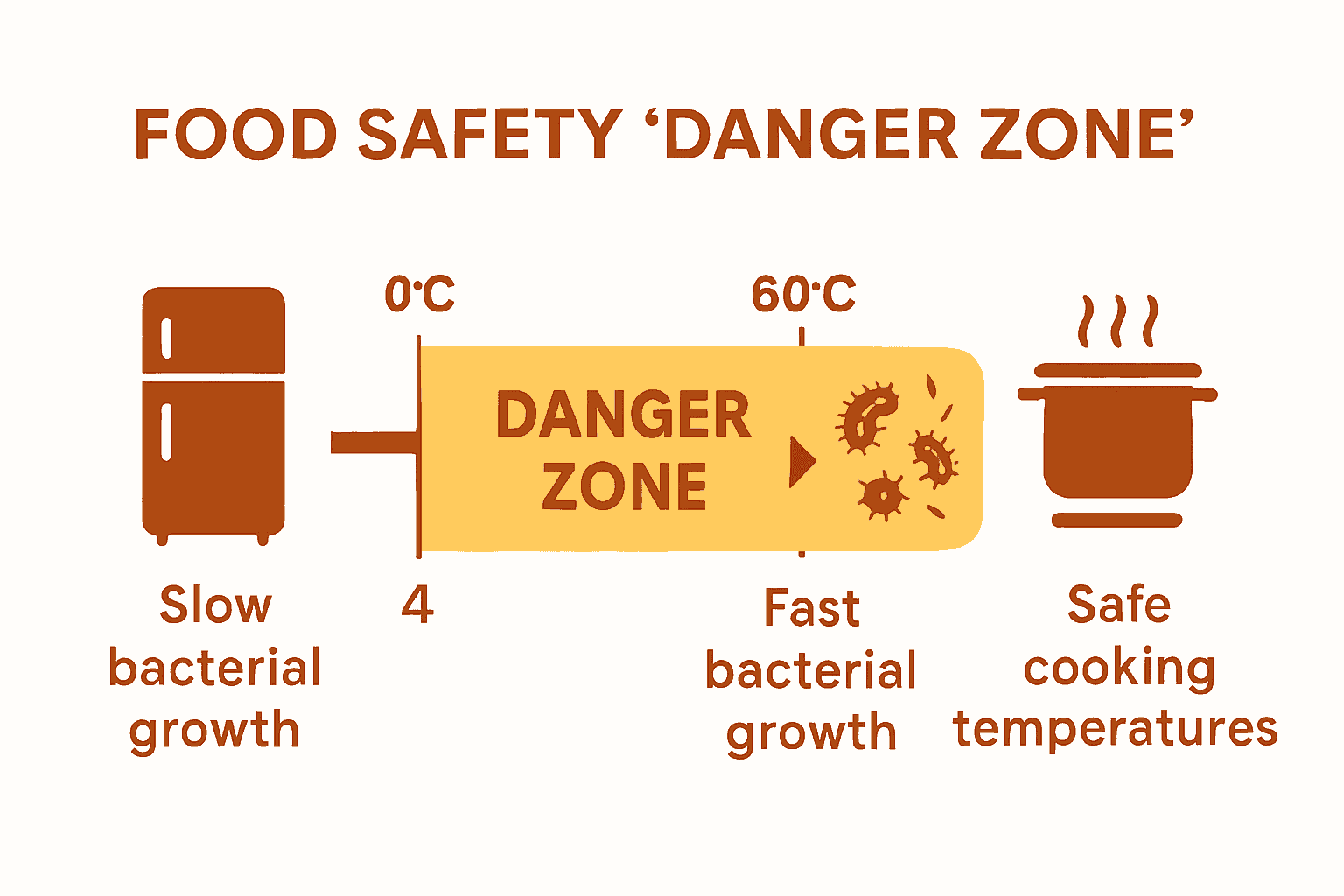
Temperature plays a crucial role in bacterial proliferation. Wikipedia’s Food Safety Guide highlights the critical danger zone between 4°C and 60°C, where bacteria multiply rapidly. Foods stored within this temperature range become breeding grounds for harmful microorganisms, significantly increasing illness risks.
Professionals in food service must understand these transmission pathways.
Obtaining a food handler license provides comprehensive training to identify, prevent, and mitigate these biological hazards, ensuring food safety and protecting public health from potentially devastating foodborne illnesses.
Canadian food safety regulations form a comprehensive framework designed to protect public health and ensure food quality across the nation. According to Wikipedia’s Food and Drugs Act overview, the federal government has established stringent laws regulating the production, import, export, transport, and sale of food products to guarantee consumer safety and ingredient transparency.
Key legal responsibilities for food handlers and businesses include:
Public health monitoring plays a critical role in maintaining food safety standards. Public Health Ontario provides expert guidance and laboratory testing services to help health inspectors effectively identify and control biological hazards transmitted through food, air, and water.
Professionals in the food service industry must stay informed about these legal requirements. Obtaining a food safety certificate in ontario can provide comprehensive training on navigating these complex regulations, ensuring compliance and protecting public health from potential biological hazards.
Preventing biological hazards requires a comprehensive and systematic approach to food safety management. According to Canada Food Inspection Agency, effective prevention involves strategic practices like stock rotation, precise temperature control, and maintaining rigorous hygiene standards in food preparation environments.
Key strategies for preventing biological hazards include:
British Columbia Government’s Food Safety Guidelines emphasize the importance of systematically identifying and controlling potential hazards. This proactive approach involves comprehensive risk assessment, targeting biological, chemical, and physical threats that could potentially cause illness or injury.
Professionals in food service can enhance their prevention capabilities by obtaining a food handlers certificate in Canada, which provides comprehensive training on recognizing, mitigating, and managing biological hazards in food operations.
Food safety risk management demands vigilant attention to potential pitfalls that can compromise food quality and public health. According to Centers for Medicare & Medicaid Services, common mistakes in food handling often stem from improper storage and preparation of potentially hazardous foods, which can dramatically accelerate bacterial growth and increase illness risks.
Frequent food safety mistakes include:
Wikipedia’s Food Safety Guidelines emphasize the critical danger zone between 4°C and 60°C as a primary risk area. Effective risk management strategies focus on maintaining food temperatures outside this range to prevent rapid bacterial multiplication and potential foodborne illnesses.
Professionals can mitigate these risks by obtaining a comprehensive food handler certification online, which provides essential training on recognizing, preventing, and managing potential biological hazards in food operations.
Understanding the risks posed by biological hazards like Salmonella and Listeria is just the first step to safer food handling practices. The real challenge is putting this knowledge into action to prevent contamination, protect public health, and stay compliant with Canadian food safety laws. Without proper training on critical concepts such as temperature management, cross-contamination prevention, and personal hygiene, you risk jeopardizing the safety of your customers and your business.

Gain confidence and peace of mind by earning your Food Handler Certification with Probe It Food Safety.ca. Our online courses are government accredited, flexible, and designed by public health experts to equip you with the skills to recognize and manage biological hazards effectively. Start your training today at Probe It Food Safety.ca and ensure your food handling meets the highest safety standards to protect everyone who depends on the food you prepare.
Biological hazards refer to microscopic organisms like bacteria, viruses, parasites, fungi, and molds that can contaminate food and pose serious health risks, potentially leading to foodborne illnesses.
Common sources of biological hazards include raw food materials, food processing environments, food handler practices, equipment surfaces, and contaminated water and air systems.
Biological hazards can cause foodborne illnesses primarily by contaminating food with pathogenic microorganisms. Factors such as food composition, acidity levels, and improper storage conditions can enhance the risk of illness.
Effective strategies include maintaining safe temperature controls, practicing good personal hygiene, enforcing stock rotation, regularly sanitizing surfaces, and preventing cross-contamination during food preparation.
Exams are stressful, and the pressure of passing may leave you feeling overwhelmed and nervous that you won’t pass, even

Food safety is essential if you want to ensure safety and establish trust with your customers. Food handlers must be

Practicing good food safety habits is paramount to maintaining a healthy kitchen. Regardless of the size of your hotel business